Blizzard used BlizzCon 2026 to confirm Diablo 5, and the studio didn’t hold back on details even though the game won’t launch until spring 2029. The reveal covered a record-setting class lineup, a return to procedurally-generated dungeons, and a loot system built around Diablo 2-style item requirements. For ARPG fans, this is the clearest signal yet that Blizzard is walking back some of the design choices that divided players in Diablo 4. For the industry, it’s a case study in how a studio manages hype for a game that’s still years from shipping.
Diablo 5’s Class Roster Breaks the Franchise Record
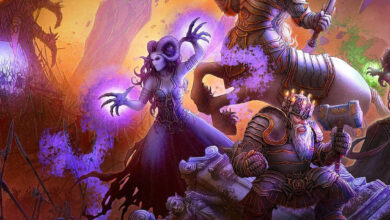
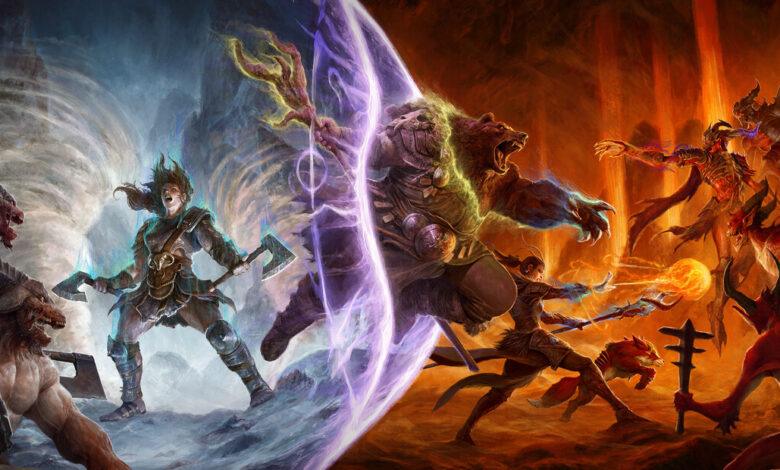
Blizzard confirmed three playable classes so far: the returning Demon Hunter and Monk, plus a brand-new disease-slinging class called the Plague Knight. That’s just the start. Blizzard says Diablo 5 will launch with the largest class roster in the franchise’s history, more than any single previous Diablo game has offered at launch, with additional classes planned as post-launch content.
Class count matters more than it sounds. In an ARPG, classes are the entire replay loop — each one is a different build tree, a different way to clear the same content, and a different reason to keep playing after the story ends. A bigger launch roster gives Blizzard more seasonal content to build around for years, which lines up with how the studio has run Diablo 4 as a live-service game rather than a one-and-done release.
No More Saving Sanctuary — Diablo Has Already Won
The story premise is a genuine swing. Diablo 5 is set roughly a century after Diablo 4’s Lord of Hatred storyline, where Mephisto was defeated. This time, the Lord of Terror doesn’t need stopping — he’s already conquered Sanctuary. Players start in a world Diablo already controls, which flips the series’ usual “prevent the apocalypse” structure into “survive the aftermath.”
That shift shows up in the world design, too. Towns are gone as safe hubs. Instead, players travel with a caravan of recurring NPCs — including a treasure goblin companion — who hand out side content along the way. Dungeons and open-world regions are procedurally generated again, and they reshuffle every time a player returns, so re-clearing an area won’t mean the same layout twice.

- No static towns — a mobile caravan hub replaces them
- Procedurally-generated dungeons and open-world zones
- Layouts regenerate on repeat visits instead of staying fixed
This directly answers one of the loudest complaints about Diablo 3 and Diablo 4: once players memorize a hand-built world, replay value drops fast. Procedural generation was a Diablo 2 staple, and bringing it back is Blizzard betting that unpredictability is worth more than polish.
Loot Goes Back to Diablo 2 Rules
The loot system is getting the same throwback treatment. Items will use tiers that start simple and grow more complex as players progress, and Blizzard is experimenting with gear that requires hitting certain stat thresholds before it can be equipped — a direct callback to Diablo 2’s strength and dexterity requirements. That’s a departure from Diablo 4’s more forgiving loot pools, where almost any item works for almost any build once you level past the early game.
Gating gear behind stats sounds small, but it changes how players build characters from the ground up. It forces planning and trade-offs instead of just equipping the highest item level found. Hardcore ARPG players have wanted this back for years; newer players who started on Diablo 4’s more accessible systems may find it a rougher on-ramp.
The bigger story here is timing. Blizzard doesn’t usually confirm a Diablo sequel this far ahead of release — three years out is unusually early for a studio that tends to reveal closer to launch. Two things likely drove that call. First, Blizzard has already said no more Diablo 4 expansions are planned, so the franchise needed something to point to before that pipeline goes quiet. Second, the ARPG genre is more competitive than it’s been in a decade, with Path of Exile 2 and other rivals actively pulling players away. Announcing early keeps Diablo 5 in the conversation during the gap instead of ceding that space to competitors.
The risk is obvious: a three-year hype cycle gives plenty of time for expectations to outpace what ships, and Blizzard will need to keep delivering concrete updates — not just concept talk — to hold attention that long. For now, the pitch is a bigger class roster, a harder loot chase, and a world that doesn’t sit still. Whether that’s enough to carry the franchise to 2029 is the next thing worth watching.
Related on BizzNerd