Diablo 4’s Quiet Comeback — How Embracing Laziness Turned a Divisive ARPG Into a Worth-Your-Time Grind

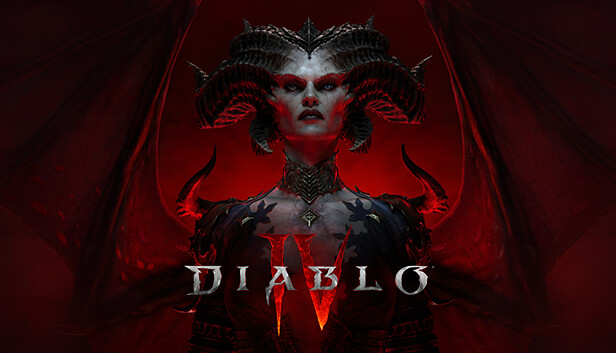
Diablo 4 launched to mixed reviews and a vocal hardcore base that wanted more grind, more depth, more pain. Three years later, PC Gamer says the game finally clicks — but only when you stop trying to play it like a serious ARPG. For business owners and gamers eyeing the live-service space, the Diablo 4 turnaround is a quiet case study in how player accommodation, not punishment, drives long-term retention.
What Happened
PC Gamer’s latest take on Diablo 4 in 2026 is almost a confession. After years of Path of Exile loyalty and dismissive scrolling past Blizzard’s flagship, the writer found themselves enjoying Diablo 4 — by lowering the bar. Quality-of-life updates rolled out across the past year have removed friction from nearly every system: faster paragon progression, smarter loot filters, season journeys that reward casual engagement, and seasonal mechanics that don’t punish you for logging off. The verdict isn’t that Diablo 4 became Path of Exile; it’s that Diablo 4 stopped pretending to be. By leaning into accessibility, drop-in seasonal play, and reward loops that don’t require theorycrafting, Blizzard has built something that finally feels honest about what it is: a comfortable, polished, low-friction loot grinder.
Industry Impact
Diablo 4’s slow-burn redemption arc tells the live-service industry something important: not every game needs to be hardcore to retain players. The early Diablo 4 controversy stemmed largely from a vocal minority demanding the game match Path of Exile’s depth. Blizzard initially tried to please everyone, then quietly pivoted toward accessibility — and the player numbers reportedly stabilized. This mirrors what we’ve seen across other live services: Destiny 2’s most successful expansions have leaned into casual-friendly weekly loops, and Helldivers 2’s success came from immediate, low-commitment fun rather than punishing systems. For studios evaluating the ARPG and looter genre, the message is clear. There is room for the niche, hardcore product (Path of Exile 2), and there is room for the polished, accessible mainstream product (Diablo 4). Trying to be both is the trap.
The Bigger Picture
There’s a broader entrepreneurial lesson in the Diablo 4 turnaround: customer retention often improves when you stop fighting your audience and start designing for the behavior they actually have. Founders frequently fall into the trap of building for the loudest power user, when the silent majority just wants the product to work without homework. Blizzard, eventually, listened to the data over the forum noise. The same pattern repeats across SaaS, fitness apps, finance tools, and content platforms — the sticky products are the ones that respect the user’s attention budget and meet them where they are. For the games industry, the implication is that the next generation of live-service hits will likely be built on respect for the part-time player.
Diablo 4’s slow climb back from launch backlash isn’t glamorous, but it’s instructive. Sometimes the best product decision is to stop punishing the people who actually want to play.