The Gnomes Are Dying — Little Tree Kingdom’s Storybook Skin Hides One of 2026’s Meanest Roguelikes

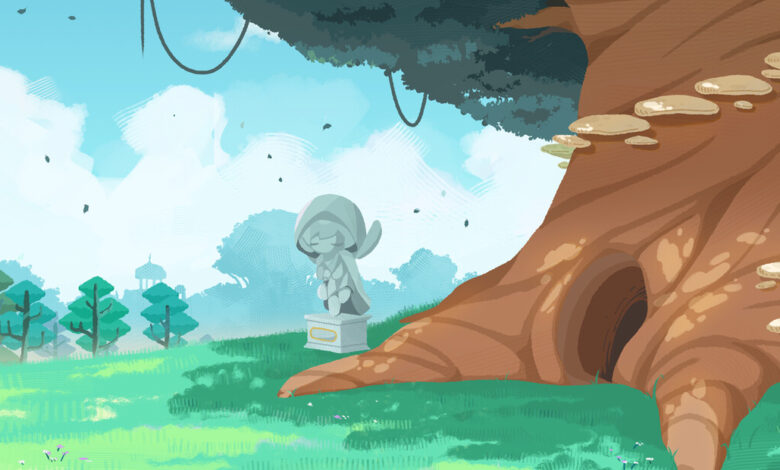
Little Tree Kingdom sells itself with storybook art, tiny mushroom houses, and a perky fairytale soundtrack — and then it butchers your village in the dark. What looked like a cozy city builder is actually a bruising roguelike that chews through gnomes, resets your progress, and laughs at your tea parties.
What Happened
PC Gamer’s hands-on with Little Tree Kingdom this week flipped the script on indie darling expectations. The Steam page teases a whimsical management sim built around a sprawling tree-village of gnomes, but once you push past the tutorial the game’s teeth come out. Ghosts stalk the branches at night, food supply chains collapse in a single bad season, and entire gnome dynasties wipe out in one ill-timed expansion. The hands-on described gnomes being eaten alive, fires burning down hard-earned workshops, and a run-ender that dumped hours of work in minutes. The soundtrack stays adorable the entire time, which somehow makes it worse. The surprise is structural — Little Tree Kingdom isn’t a city builder with roguelike flavor; it’s a full roguelike with city-builder aesthetics draped on top, permadeath included.
Industry Impact
Little Tree Kingdom lands squarely in the hot indie lane of 2026 — the cozy-but-cruel subgenre that’s been quietly pulling Steam attention away from pure wishlist comfort games. Titles like Against the Storm and Loop Hero proved the formula, and Little Tree Kingdom is now the next developer to cash in on the gap between a game’s marketing promise and its actual design. For indie devs, that’s the real lesson: aesthetic subversion sells. Stores are crowded with safe-looking farming sims, and players are starting to reward the ones that surprise them. Expect publishers to chase this energy hard over the next year. For Bizznerd’s tech-entrepreneur audience, it’s also a reminder that brand misdirection is becoming a legitimate marketing lever — not just in games, but in any category where saturation has numbed discovery.
The Bigger Picture
Little Tree Kingdom is part of a broader cultural shift in how indie games earn attention. Polished trailers and wishlisting alone no longer cut it — the winners this year are games with a strong tonal hook, a viral moment, and enough mechanical bite to dominate Twitch clips. PC Gamer’s piece is effectively free marketing, and the studio engineered that by making a cute game that behaves like a punishing one. It’s a calculated product decision, not just a design quirk. For business-minded readers, there’s a takeaway beyond gaming: audience expectations are now a resource you can deliberately manipulate for reach. The games that surprise their own players the fastest tend to win the streaming algorithm, which increasingly dictates commercial fate in an overcrowded market.
The Takeaway
Little Tree Kingdom proves that in 2026, softness is a disguise — and the indie studios that weaponize that disguise are eating everyone else’s lunch. Keep an eye on it. The gnomes, probably, will not be fine.

Reporting based on public industry coverage. Read the original article for full context.