Ten years ago, the gaming industry had one of its most stacked release calendars on record. The class of 2016 did not just fill storefronts — it rewrote what games could be. Roguelikes found mainstream audiences, indie developers proved they could compete with studios ten times their size, and beloved franchises delivered their definitive entries. A decade later, these titles are not museum pieces. They are playable, relevant, and in many cases better appreciated now than they were on launch day.
If you want to understand why today’s gaming landscape looks the way it does, start with 2016.
One Game Changed Multiplayer Forever: Overwatch
Blizzard’s team-based shooter launched in May 2016 and became a cultural phenomenon almost overnight. The hero shooter genre existed before Overwatch, but the game gave it a mass audience, a visual identity, and a cast of characters people genuinely cared about. Its influence is written across nearly every competitive multiplayer release that followed it.
Ten years on, the original Overwatch experience remains the high-water mark that its own sequel has struggled to match. The design philosophy — distinct heroes, readable abilities, teamwork over individual carry potential — still serves as a blueprint for the genre.
The Comeback Kid: Dark Souls III
FromSoftware’s third entry in the Souls series arrived in April 2016 and delivered everything the fanbase wanted: relentless combat, extraordinary world design, and a lore dense enough to fuel years of community theorycrafting. It was also the best entry point the series had offered to that point, balancing punishing difficulty with genuine fairness.

A decade later, Dark Souls III remains the standard against which action RPGs measure themselves. Its final DLC content, The Ringed City, is still considered some of the finest level design FromSoftware has ever produced.
Naughty Dog’s Finest Hour: Uncharted 4: A Thief’s End
Uncharted 4 released in May 2016 as both a technical showcase and an emotional conclusion to Nathan Drake’s story. Naughty Dog delivered cinematics, performances, and moment-to-moment gameplay that felt genuinely cinematic without sacrificing player agency. It proved that story-driven single-player games still had a massive audience and a premium price tag they could command.
Revisiting it in 2026, the game holds up visually in a way few titles from its era do. Its slower pacing — quieter character moments woven between set pieces — feels more deliberate and impressive with hindsight.
The Reboot That Earned Its Name: DOOM (2016)
id Software’s rebooted DOOM launched in May 2016 and silenced skeptics within its opening hour. Fast movement, no regenerating health, aggressive enemy design, and a thrash metal soundtrack combined into a package that felt both nostalgic and completely modern. It proved that old-school design principles, applied with precision, could produce a game of the year contender in any era.
DOOM (2016) is the rare reboot that respects its source material while making something new. Its DNA lives on in every fast-paced shooter that followed, and it remains the quickest way to explain why movement matters in a first-person game.
Playdead’s Silent Masterpiece: Inside
Inside launched in June 2016 and accomplished something most games never attempt: it told a complete, disturbing, and emotionally coherent story without a single word of dialogue. Playdead’s follow-up to Limbo was darker, more ambitious, and built around environmental storytelling that rewarded players who paid close attention.
At roughly three hours, Inside respects your time while delivering an ending that people are still arguing about. It is the kind of game you hand to someone who thinks they do not like games.
The Most Underrated Shooter Ever Made: Titanfall 2
Titanfall 2 launched in October 2016 — sandwiched between Battlefield 1 and Call of Duty: Infinite Warfare — and was commercially undersold from day one. Its single-player campaign is frequently cited as one of the best first-person shooter campaigns ever made. Wall-running, fast movement, and a level design experiment called “Effect and Cause” demonstrated that mainstream shooters could take genuine creative risks.
The multiplayer was equally exceptional. A decade later, Titanfall 2 is the one game from 2016 most often described as a title that deserved far better. It still plays beautifully, and its design ideas have never been fully replicated.
The Indie That Changed What Indie Meant: Stardew Valley
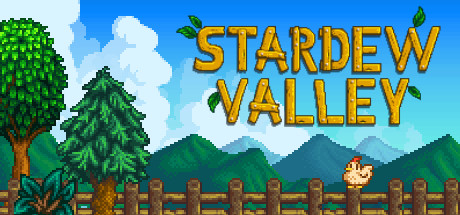
Stardew Valley released in February 2016 and was built almost entirely by one person — ConcernedApe — over four years. It became a commercial success that rivaled titles produced by teams of hundreds, and it sparked a renewed appreciation for farming and life-sim games that continues to influence the indie market a decade later.
In 2026, Stardew Valley has received years of free post-launch updates and a dedicated multiplayer mode. It is a case study in what a single developer with a clear vision can achieve, and it remains one of the most-played titles on Steam by player hours.
What 2016 Actually Means, Ten Years Later
Looking at these seven games together, a pattern emerges. The best releases of 2016 either refined their genres to their logical peak — Dark Souls III, Uncharted 4, DOOM — or introduced design ideas that the industry spent the next decade trying to absorb — Overwatch, Titanfall 2, Stardew Valley. Inside stands alone, the way great art usually does.
For gamers who missed these titles in 2016, the good news is that every game on this list is accessible, affordable, and available on modern platforms. For developers and business-minded observers, 2016 is a masterclass in what differentiation looks like: each of these games succeeded by doing one thing with extraordinary commitment rather than trying to be everything to everyone.
The 10th anniversary is not just a reason for nostalgia. It is a reason to go back and study the work.