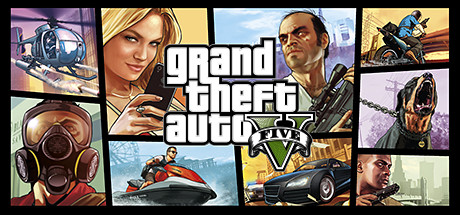
Every studio in gaming is quietly building its 2026 and 2027 plans around a single unreleased game. GTA 6 is not just Rockstar’s next open world — it is a gravitational event that bends release schedules, marketing budgets, and player wallets around it. For anyone running a studio, backing a game, or simply deciding where their entertainment money goes, the more interesting question is not when it launches. It is what happens the morning after.
The short answer: less chaos and less calm than the loudest predictions suggest. A launch this big rewrites the rules for a while, then the market adjusts — and the winners are the companies that planned for both the wave and the undertow.
The Release That Freezes an Industry
The first casualty of a GTA 6 launch is the calendar. No mid-budget publisher wants to drop a marquee title into the same month and watch it vanish under the noise. Expect release windows to clear out around launch, creating a strange quiet period followed by a traffic jam of delayed games fighting for the same attention weeks later.
That squeeze is a real business problem. A game that slips three months to dodge Rockstar still burns three months of payroll and marketing runway. Smaller studios feel it hardest, because they cannot absorb a delayed launch the way a platform holder can. We have seen the industry brace for tentpole releases before — the difference here is scale, and the sheer number of teams recalculating at once. It echoes the wider turbulence we covered in the $55 billion Saudi-led takeover of Electronic Arts.
Winners, Losers, and the Studios Caught in Between
Rockstar wins, obviously. So do the platform holders who sell the consoles and take a cut of every copy. The hardware market gets a jolt too, as lapsed players upgrade specifically to run one game at its best. That halo effect lifts accessory makers, capture-card sellers, and every creator who builds a channel around the launch.

The losers are the games that get crowded out and the live-service titles that suddenly have to fight for the same weekly hours. Ongoing multiplayer games will feel the pull most, which is why the future of GTA Online and what its next chapter could look like matters so much to Rockstar’s rivals. When one game owns the conversation, everyone else is competing for the leftovers.
What It Means for Players and Your Wallet
For players, the launch is a spending trigger. A new console, a bigger drive, a subscription resubscribed — the total cost of “just buying the game” quietly climbs. It is worth deciding in advance what you actually need versus what the hype tells you to buy. The game will still be there, and better-optimized, six months later.
There is an upside, though. A launch this large pulls lapsed players back into the hobby and gives the whole market a shot of energy. That attention spills over to smaller games in the months that follow, once the initial frenzy cools and people go looking for their next thing. The tide that lifts Rockstar eventually lifts the harbor.
The Verdict: A Reset, Not a Revolution
GTA 6 will not end the industry’s problems or magically fix its economics. It will concentrate attention and money for a season, reward the studios that planned around it, and punish the ones that pretended it was not coming. Treat it as a reset button rather than a revolution, and you will read the aftermath far better than the people expecting either a golden age or a collapse.
Related on BizzNerd