For years, rhythm minigames inside gacha titles have been a running joke — clunky, poorly charted, and built with the enthusiasm of a developer who had never actually played a rhythm game. Goddess of Victory: NIKKE just broke that pattern, and the business reasons behind how it did that are worth paying attention to.
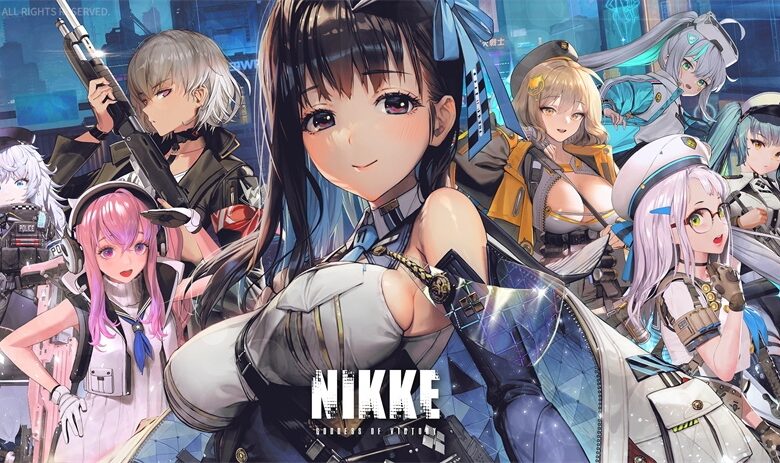
NIKKE, developed by Shift Up and published by Level Infinite, is a third-person shooter gacha game available on PC and mobile. It already punches above its weight in production value. But with the April 23, 2026 release of its 3.5 Anniversary update, Shift Up did something most live-service studios avoid: they handed a minigame the same level of care they would give a core feature.
Why Rhythm Minigames in Live-Service Games Almost Always Bomb
The pattern is familiar to anyone who plays gacha or live-service games. A limited-time event drops. Tucked inside it is a rhythm minigame — usually framed as a fun side activity, a way to break up the main gameplay loop. It runs for a week or two, then disappears. The notes are badly placed, the timing window feels off, and the whole thing looks like someone’s first Unity prototype.
The problem is structural. When an activity is designed to exist for six days and then vanish, the development effort matches the lifespan. Studios allocate a fraction of their sprint to the minigame, outsource it to junior developers, or bolt together a quick prototype using existing assets. The result is something that checks a content box without delivering a real experience. Players notice, they endure it for the login rewards, and they move on.
Wuthering Waves became a specific example of how badly this can go, shipping a rhythm component with charts so difficult to read and notes so visually muddy that players largely ignored it. These failures accumulate into a reputation problem: the words “rhythm minigame” in a gacha game’s patch notes now land somewhere between indifference and dread.

What Shift Up Did Differently With Tracing The Stars
NIKKE’s 3.5 Anniversary introduced Tracing The Stars, a rhythm minigame built around the in-game idol group TT STAR, featuring characters Anis, Prika, and Mint. The premise has players hitting notes to help the trio practice their choreography ahead of a debut performance. It is tied to an original story event and a real-world idol tour campaign — the kind of multimedia push that signals the studio is treating this as a proper product, not an afterthought.
Shift Up brought in external experts to design the note patterns, a decision that immediately separates Tracing The Stars from the typical rushed-intern approach. The charts feel like they were made by people who understand rhythm games — the kind of tight, readable, satisfying chart design that players in dedicated rhythm titles expect as a baseline. Multiple difficulty levels make it accessible to newcomers while giving experienced players something worth chasing.
The single biggest business signal here is the permanence decision. Tracing The Stars did not disappear when the anniversary event window closed on May 21, 2026. It joined NIKKE’s permanent game modes. Shift Up stated directly that they plan to add more songs over time. That is not a minigame. That is a feature. And building it to that standard from the start was the only way to justify making it permanent.
The Retention Play Behind Getting a Minigame Right
Live-service games are, at their core, a retention business. Every design decision traces back to one question: does this bring players back tomorrow? A throwaway rhythm minigame answers that question with a weak “not really.” A permanent, regularly updated rhythm mode with song drops, difficulty tiers, and an active community of players sharing scores answers it with a clear “yes.”
The investment math looks different when you frame it that way. The upfront cost of hiring rhythm game chart designers and building a polished system is real. But a feature players return to weekly — especially one tied to original music from a game’s soundtrack — earns back that cost in engagement metrics, session length, and reduced churn. NIKKE already generates substantial revenue from its gacha model. Adding a genuinely fun activity that keeps players in the app between banner cycles is pure margin improvement.
There is also a brand signal worth noting for anyone tracking the live-service space. Shift Up has a history of prioritizing production quality — their console title Stellar Blade made a similar argument about a Korean studio punching at AAA levels. Tracing The Stars continues that pattern in a completely different format. It tells players that the studio respects their time enough to build things properly, even things that could have been faked.
The lesson for game studios and anyone building live-service products is straightforward: if a feature is not worth doing well, it may not be worth doing at all. NIKKE’s rhythm minigame works because Shift Up decided it would — and built a plan around that decision before writing a single line of code. That is how you turn a minigame into a retention tool.