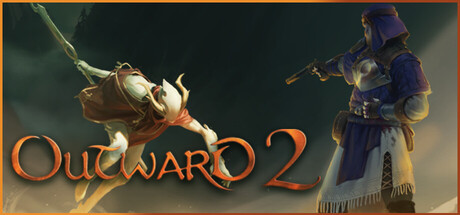
If you’ve ever cursed at a survival game for slapping a save-and-respawn button on real consequences, Outward 2 is the antidote you’ve been waiting for. The sequel to Nine Dots Studio’s cult-favorite RPG has finally surfaced with hands-on impressions, and the message is unambiguous: death is messy, the world is hostile, and your character will pay for every mistake. In an era of trivialized survival mechanics, that is a genuine breath of fresh air.
What Happened: A Hands-On Look at Nine Dots’ Brutal Sequel
The first preview of Outward 2 is here, and it confirms what fans of the 2019 original have been hoping for: a hardcore survival RPG that treats failure as a story beat rather than a setback. When your character falls in Outward 2, you do not snap back to a safehouse with full inventory intact. You wake up somewhere worse, robbed of gear, possibly imprisoned, possibly enslaved, possibly being healed by strangers with their own agenda. The sequel preserves the original’s signature philosophy — there is only one save slot per character, no quicksave abuse, no respec safety net — and pairs it with a vastly expanded crafting system, a richer magic framework, and split-screen and online co-op that works regardless of player progression. Combat looks heavier and more deliberate, with weight, stamina, and stance now central to encounters that previously felt floaty.
Industry Impact: A Quiet Statement Against Survival-Game Bloat
Outward 2 arrives at an inflection point for the survival genre. The past five years have seen survival games drift toward casual accessibility — Valheim added more save tools, Palworld leaned into automation, even DayZ has softened many of its punishing edges to chase wider audiences. Nine Dots is moving the other direction, and that contrarian positioning is its competitive moat. For the studio, this is a deliberate brand decision: Outward fans are loyal precisely because the game refuses to be everything to everyone, and the sequel doubles down on the qualities that defined the original cult following. For the broader industry, it shows there is still room for unapologetically hardcore design in a market often accused of being homogenized by player retention metrics. Hardcore survival games tend to convert players into evangelists — every brutal failure becomes a story worth sharing on social media, which is the modern marketing budget independent studios cannot afford to buy.
The Bigger Picture: The Friction Economy in Modern Gaming
Outward 2 represents something larger than a single sequel — it is part of a quiet rebellion against frictionless game design. From Soulslikes to extraction shooters to permadeath roguelikes, players are increasingly drawn to experiences that demand commitment and inflict real loss. The reason is partly cultural exhaustion: a generation of streamers, content creators, and online communities have made stories of failure more entertaining than stories of victory, and games built around meaningful consequences feed that content economy. For developers and investors, the lesson is counterintuitive — sometimes the way to grow your audience is to make your game harder, slower, and less forgiving, then trust that the players who love it will do your marketing for you. Friction is the new fun, and Outward 2 is a textbook example of how to wield it.
Outward 2 is going to alienate a lot of players, and that is exactly the point. By doubling down on consequence, scarcity, and the genuine fear of losing what you’ve built, Nine Dots is making a statement: the best survival games are the ones that respect your time enough to actually threaten it.