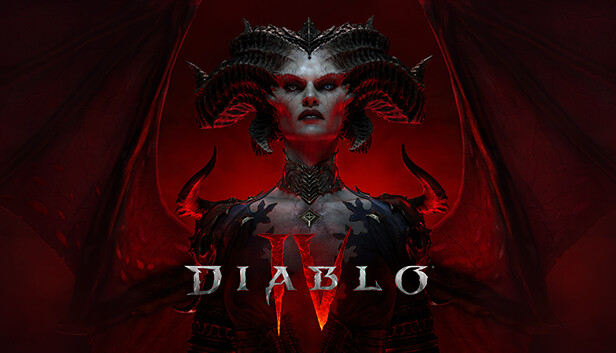
Blizzard has confirmed the end of an era: there are no more Diablo 4 expansions planned. The team is now, in its own framing, “all focused on seasons and getting to Diablo 5,” even as it promises that support for the current game will continue “for a very long time.” For the millions who bought into Sanctuary, it is a clarifying moment — the big, boxed content drops are over, but the live game is not going anywhere.
Diablo 4’s Expansion Era Ends
Winding down expansions is a meaningful shift for a game that launched with a clear roadmap of premium add-ons. Blizzard says there is still “a lot of room” for more storytelling in the lead-up to Diablo 5, which reads as a signal that narrative will now arrive through seasonal chapters and events rather than a headline expansion players pay for all at once. It closes the door on the traditional expansion model while keeping the world open for smaller, more frequent beats.
That is not the same as abandonment, and the distinction matters. The pledge of long-term support means the servers, seasons, and battle passes keep running. What changes is the shape of the content: less “buy the next chapter,” more “keep the current chapter alive.”
Seasons Over Expansions: The New Support Model
The pivot to a seasons-first model is a well-worn live-service playbook, and it has clear business logic. Seasonal content and battle passes generate steadier, more predictable revenue than the boom-and-bust cycle of expansions, and they keep players logging in month after month instead of returning only for a big release. Recurring engagement is the metric that live-service games are built to protect, and Diablo 4’s steady comeback shows the model can work when the loop feels rewarding.
There is a catch, though. Seasons only sustain a game if each one delivers enough to feel worth the return trip. Lean seasons drive burnout and push players toward competitors in a crowded action-RPG market. Blizzard is effectively betting that a cadence of smaller updates can hold attention across the multi-year gap before the next mainline game — a gap it now has to fill deliberately rather than paper over with a paid expansion.

The Long Road to Diablo 5
Framing Diablo 4‘s future around “getting to Diablo 5” tells you where Blizzard’s ambitions sit. With Diablo 5 targeting a 2029 window, the studio needs its current game to serve as a bridge — a place that keeps the community warm, the brand relevant, and the revenue flowing across a runway measured in years, not months. Every season between now and then is essentially marketing for the sequel as much as content for the present.
It is a franchise-stewardship challenge as much as a game-design one. Diablo carries decades of history and the weight of expectations shaped by its earliest entries — the kind of legacy series creator David Brevik still talks about. Keeping that audience invested through a long lull is how you protect the value of the name before you ask them to buy the next one.
The Bottom Line
Ending expansions while promising long-term support is Blizzard placing a clear bet: seasons, not boxed add-ons, are how Diablo 4 lives out its life. For players, the practical takeaway is simple — the game you own keeps growing, just in smaller increments. For anyone studying how live-service businesses manage a franchise between flagship releases, this is a textbook example of turning an aging product into a bridge to the next big launch.
Related on BizzNerd