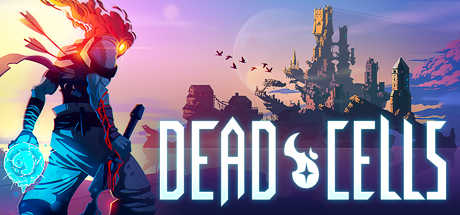
Guillermo del Toro has spent decades directing some of cinema’s most unsettling monsters, but this summer a two-dimensional skeleton with a sword handed him his own defeat. In a recent interview, the filmmaker behind Pan’s Labyrinth and The Shape of Water publicly begged the makers of Dead Cells for a version of the game without respawns, half-joking that he needed it “for the elderly players.” The studio’s reply was warm, funny, and quietly clever: thanks for playing, Guillermo — the easier mode you’re describing already exists. It’s a small internet moment, but it says a lot about why difficulty options have become one of the smartest growth levers in modern gaming.
A Celebrated Director Gets Wrecked by a Pixel-Art Skeleton
During a press conversation tied to the theatrical return of Pan’s Labyrinth, del Toro turned the topic to video games and admitted Dead Cells had genuinely hooked him. His complaint was specific: he hates dying, losing his run, and starting from zero. “You get 35 levels in and then you start again,” he said, before pleading for a version built for older players who want to explore the game’s grim, gorgeous castle without getting sent back to square one every time they slip up.
The response from the Dead Cells team landed within days, and it struck the right tone — grateful rather than defensive. Rather than brushing off the request, the studio thanked del Toro for the shoutout and gently pointed out that the accommodation he wanted was already sitting in the settings menu. The team even worked in a nod to del Toro’s own Netflix anthology, joking that they’d love to add the exchange to their “personal Cabinet of Curiosities.” It’s the kind of good-natured, in-on-the-joke reply that turns a minor complaint into a viral win for the brand.
Why Dead Cells Wears Its Difficulty Like a Badge of Honor
None of this lands the same way if Dead Cells weren’t already famous for being brutal. The roguelike-metroidvania hybrid built its reputation on procedurally shuffled levels, permadeath runs, and combat that punishes hesitation, and players have loved it for that ruthlessness for years. It sits in the same lineage as other indie titles that turned punishing design into a selling point rather than a barrier — the kind of game you’d put next to Cave Story+ on a list of small studios that out-punched their budgets, or the unforgiving, stylish combat of Housemarque’s Saros. Difficulty is part of the identity, not a flaw the studio is trying to hide.
What del Toro actually stumbled into isn’t a hidden weakness in the game — it’s the one thing casual players consistently ask for once the challenge starts feeling less like tension and more like friction. Dead Cells already solved that problem years ago with a built-in option most first-time players never scroll down far enough to find.

The Real Story Is Assist Mode, and It’s a Smart Business Move
The specific tool the studio pointed del Toro toward is Assist Mode, which lets players resurrect at the start of the current biome or the nearest checkpoint instead of losing the entire run. That’s a meaningfully different experience from a full permadeath reset, and it exists precisely so that players who want the atmosphere and the combat without the punishing repetition can still finish the game.
This matters beyond one filmmaker’s request. Difficulty settings and assist modes are how notoriously hard genres keep growing their audience instead of shrinking it to a hardcore fan base. The entire roguelike category has been on a tear lately, from card-battler hybrids to genre mashups like the one covered in Gambonanza’s chess-and-roguelike streak, and accessibility is a big part of why. A studio that makes its hardest game approachable without watering down the version hardcore fans love isn’t compromising — it’s expanding the top of the funnel. More players finishing the game means more word of mouth, more sequels justified, and more goodwill from exactly the kind of high-profile fan who can turn a small studio’s name into a headline for a week.
A famous director begging for mercy from a video game and getting good-naturedly ribbed by the developer is a fun story on its own. But underneath the joke is a genuinely useful lesson for any team building something hard, whether that’s a game, a product, or a business: the friction people complain about loudest is often the friction you already solved. The trick is making sure they can find it.
Related on BizzNerd