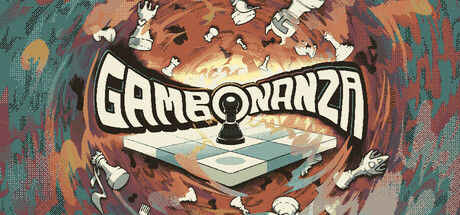
A PC Gamer veteran with 18 years of roguelike scalps on the wall just got humbled by a chess-deckbuilder hybrid called Gambonanza. If a writer who eats Slay the Spire for breakfast can’t crack it, the genre has a new benchmark for pain — and a fresh darling for the hardcore crowd.
What Happened
PC Gamer published a hands-on this week calling Gambonanza the most humbling roguelike they’ve played in nearly two decades of grinding through the genre. The game welds together two already-punishing frameworks: Balatro’s card-stacking number crunch and classical chess’s unforgiving positional math. Each run asks you to build a chess-flavored deck of pieces and modifiers, then throw them at escalating board states where one mistake cascades into a loss. The writer admitted they’d beaten every major roguelike worth beating since the mid-2000s — and still could not clear a full run in Gambonanza. The review praised the game’s layered decision-making and its refusal to soften the difficulty curve for broad appeal, framing it as a hardcore design statement rather than a mass-market release.
Industry Impact
Gambonanza lands in a space Balatro single-handedly redrew last year. The deckbuilder roguelike category is now one of the most competitive indie markets on Steam, and every new release has to earn oxygen. Gambonanza’s play is differentiation through legacy IP — chess is the oldest competitive game on Earth, and grafting it onto modern roguelike grammar gives the game an instantly recognizable hook without licensing cost. Expect more of this pattern in 2026: indie studios reskinning recognizable tabletop, sport, or classic-game mechanics into roguelike wrappers to cut through. For founders watching the games industry, it’s a case study in using cultural shorthand to skip the audience-education step most niche titles have to pay for. A chess roguelike sells itself in three words.
The Bigger Picture
Roguelikes are arguably gaming’s most resilient category of the last decade, and that longevity is starting to mirror the trajectory of streaming TV. Viewers — and players — are sorting hard between comfort content and prestige content, and roguelikes like Gambonanza are positioning themselves as the prestige tier: smaller audience, deeper retention, higher word-of-mouth lift. A game that beats professional reviewers earns a kind of credibility that marketing budgets can’t buy. For tech-adjacent business readers, the parallel is instructive — premium products that deliberately lose casual customers can still win commercially if the hardcore segment promotes them loudly enough. That’s Gambonanza’s bet, and the PC Gamer piece is the first sign it’s paying off.
The Takeaway
Gambonanza isn’t for everyone, and its developers don’t seem bothered by that. In a crowded 2026 roguelike shelf, being the game that beats the reviewers might be the smartest marketing move a studio can make.

Reporting based on public industry coverage. Read the original article for full context.