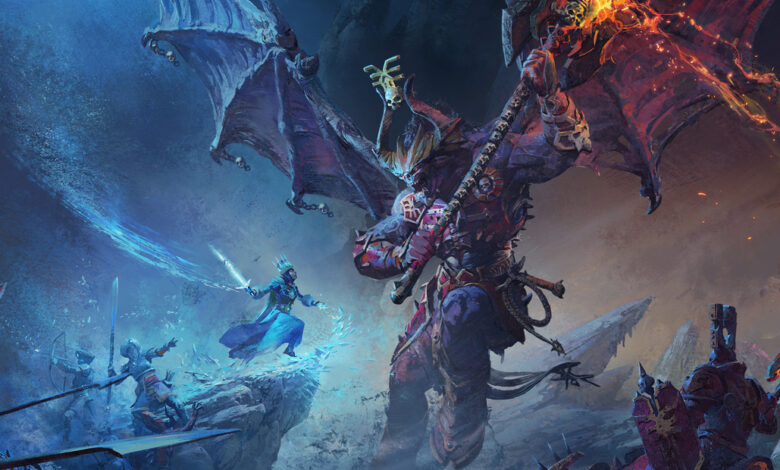
The creator of one of the most-downloaded Total War: Warhammer 3 mods did something you almost never see from a passion project: he broke it on purpose. Venris, the modder behind the sprawling overhaul SFO: Grimhammer III, deliberately corrupted his own work for a short stretch to stop AI-powered copycats from scraping it and re-uploading reworked versions. For anyone who builds things online for a living, this is a flashpoint moment — a one-person studio pushing back against automated theft the only way the platform let him.
The stunt worked. The mod was quickly restored to its original state once the point landed, but the message it sent is still ringing around the Steam Workshop and the wider modding scene.
Why a Top Modder Broke Grimhammer on Purpose
SFO: Grimhammer is not a minor tweak. It is a years-long rebalancing overhaul that reshapes units, campaigns, and combat across the game, and it sits among the most popular community projects for the series. Venris described it as “the result of nearly ten years of passion and love for this community and the fantasy world” — and made clear he does not permit anyone to lift that work without permission. His sharpest line left no room for interpretation: “Especially not for AI-related purposes.”
So he poisoned the well. By temporarily corrupting the files, he made any freshly scraped, AI-reworked copy inherit a broken build instead of a functional one. It is the digital equivalent of a maker smashing a mold rather than letting a counterfeiter cast from it.
The Steam Workshop’s Growing AI Clone Problem
This did not happen in a vacuum. The Steam Workshop has been flooded with a wave of modifications churned out with AI assistance, many of them thin reworks of existing community creations dressed up as something new. For creators, that is more than an annoyance — it is their reputation and years of unpaid labor being laundered through a model and spat back out for clicks. It is the same fight playing out everywhere automated tools can ingest human work, from the “AI slop” backlash that hit the Humankind 2 trailer to the fan projects studios are now scrambling to shut down.

There is also a safety angle that rarely gets enough airtime. Mod ecosystems already carry real risk — we saw it when Project Zomboid music packs were caught hiding malware on thousands of PCs. An automated pipeline that mass-produces and re-uploads mods with little human review makes that attack surface wider, not narrower.
What This Means for Creators and Platforms
Venris ended on a rallying cry — “Support modders, not AI” — and a promise that matters to his audience: “SFO mods were, are and always will be free for everyone as long as I am here.” That is the part worth underlining. This was never about money. It was about consent and credit, the two things free creators trade their time for.
The uncomfortable takeaway for platform owners is that enforcement is still lagging behind the technology. When a creator’s best available defense is sabotaging his own download so scrapers choke on it, the system is failing the people who make it worth visiting. Valve, Nexus, and every marketplace that runs on user-generated content will have to decide whether provenance, attribution, and takedown tools get real teeth — or whether more makers start booby-trapping their own work out of self-defense.
Related on BizzNerd