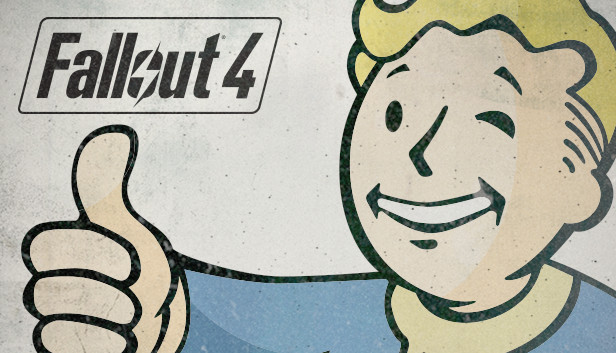
Bethesda doesn’t usually move this fast. The studio hit a viral, AI-generated fan project called Fallout: New York with a cease-and-desist in roughly two days, and the browser-playable game vanished almost as quickly as it appeared. For gamers it’s another fan project snuffed out — but for anyone who owns a brand or builds with AI, the speed of this takedown is the real story.
What Fallout: New York Actually Was
The project started when a self-described “AI creative” posted a slick, tech-demo-style trailer showing a post-apocalyptic Fallout wasteland reimagined in New York City. The twist: the whole thing was stitched together by a generative AI model and could be played right inside a web browser, no download required.
It spread fast. The combination of a beloved franchise, a new setting, and the novelty of an AI-built game was catnip for social media, and the clip racked up views well beyond the usual fan-project audience.
ZeniMax Moves in Two Days
That visibility is almost certainly what sealed its fate. It took Bethesda’s parent company, ZeniMax, only a couple of days to track down the creator and send a cease-and-desist letter, and the project was pulled offline shortly after.
The creator didn’t go quietly, firing back on social media and needling Bethesda to “make a Fallout game instead so I don’t have to.” It’s a cheeky line, but it taps into a genuine frustration: fans keep filling the gaps between official releases, and rights holders keep shutting those efforts down.

Why the Takedown Actually Makes Sense
Here’s the uncomfortable truth for fans: Bethesda more or less had to act. Trademarks and copyrights weaken if a company lets unauthorized use slide, so ignoring a high-profile Fallout game would set an expensive precedent. A browser-playable title using the Fallout name and look is exactly the kind of thing legal teams are paid to stop.
The AI angle makes it thornier still. A machine-generated game built on someone else’s intellectual property raises fresh questions about ownership, training data, and who is actually liable when the “developer” is a prompt. For any business, the lesson is blunt: AI makes it trivially easy to spin up derivatives of your brand, and policing that is becoming part of the job.
There’s a reason even some fans cheered this one. When a passion project gets shut down, it stings. When an AI-generated knock-off does, plenty of people are happy to see the lawyers win.
The Takeaway
Fallout: New York is gone, but the tension it exposed isn’t going anywhere. Fans want more Fallout, AI makes imitation effortless, and rights holders are sharpening their response. Expect a lot more two-day takedowns as generative tools keep colliding with the brands people love.
Related on BizzNerd