PUBG: Blindspot Shutters After Just Two Months — Another Battle Royale Spinoff Bites the Dust

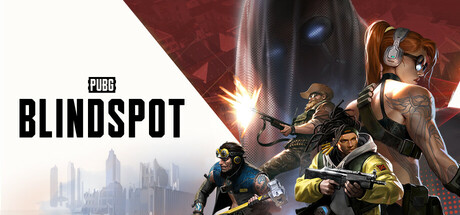
The battle royale spinoff experiment has claimed another casualty. PUBG: Blindspot, which launched into early access with promises of fresh tactical gameplay, is shutting down after less than two months of operation. The rapid closure raises serious questions about the sustainability of franchise spinoffs in an oversaturated market.
A Brief and Troubled Run
PUBG: Blindspot entered early access with the weight of the PUBG brand behind it, but that legacy wasn’t enough to sustain player interest. The game attempted to differentiate itself from its parent franchise by introducing new mechanics and a distinct visual style, yet failed to capture a dedicated audience.
The decision to shut down comes remarkably quickly by industry standards. Most early access titles receive at least six months to find their footing, with developers iterating based on player feedback. Blindspot’s two-month lifespan suggests fundamental issues that couldn’t be addressed through incremental updates—whether related to core gameplay, technical performance, or simply market positioning.
The Spinoff Graveyard Grows
PUBG: Blindspot joins a growing list of franchise extensions that failed to replicate their parent games’ success. The battle royale genre, once seemingly infinite in its growth potential, has matured into a market dominated by established giants. New entries—even those carrying recognizable brands—struggle to carve out sustainable player bases.
For Krafton, the closure represents a strategic setback in their efforts to expand the PUBG universe. While the mainline game continues to generate substantial revenue, particularly in mobile markets, attempts to branch into new formats have yielded mixed results. This pattern isn’t unique to PUBG; across the industry, publishers are learning that brand recognition alone doesn’t guarantee spinoff success.

Lessons for the Industry
The rapid failure of Blindspot offers valuable lessons for game publishers considering franchise extensions. First, market timing matters immensely—launching a battle royale spinoff in 2026 requires a truly compelling differentiator. Second, early access isn’t a magic solution; if core engagement metrics are poor at launch, extended development rarely reverses the trend.
Perhaps most importantly, player attention is finite. With so many quality free-to-play options available, new games must offer exceptional value propositions from day one. The ‘build it and they will come’ approach no longer works in a market where players have endless alternatives.
PUBG: Blindspot’s swift demise underscores the brutal reality of modern game development: even established franchises can’t guarantee success for spinoffs. As the battle royale genre continues to consolidate, only the most innovative and polished entries will survive.