Capcom just proved a franchise can sleep for two decades and wake up swinging harder than ever. Onimusha: Way of the Sword, launching September 25 on PC, PlayStation 5, Xbox Series X|S, and Nintendo Switch 2, revives a series many wrote off after years of silence, and the reason it works comes down to one thing: combat that feels genuinely dangerous in a genre crowded with imitators.
That matters beyond the controller. Every studio betting on a dormant IP is making a business case that nostalgia plus modern mechanics can outperform a brand-new original. Way of the Sword is a live test of that bet, and for gamers deciding whether to spend launch-week money, the verdict is simple: the swordplay alone earns the price of entry, even if the game around it takes its time getting going.
The Issen Parry System Turns Every Duel Into a Gamble
The series’ signature move returns sharper than ever. Issen rewards split-second timing with an instant, brutal kill against lesser enemies and devastating damage against bosses, and it never stops feeling risky. Players wielding Musashi’s katana choose between fast one-handed slashes and slower, harder two-handed swings, each chipping away at an enemy’s stamina until a Break Issen becomes available.
Chain a few precise parries together and a meter builds, letting the blade deal extra damage once triggered. Follow that with the deflect counter, a technique with slightly more forgiving timing, and stamina drains fast enough to force a critical opening. The loop rewards patience over button-mashing, and it holds up whether the fight is a single sword-wielding demon or a screen full of Genma.
This is the part of the game that justifies the hype. Sparks fly, the camera whips around each clash, and the sense of danger never fades, even dozens of hours in. Few action games this year manage tension that stays sharp that long.

An Overstuffed Opening Slows the Return to Form
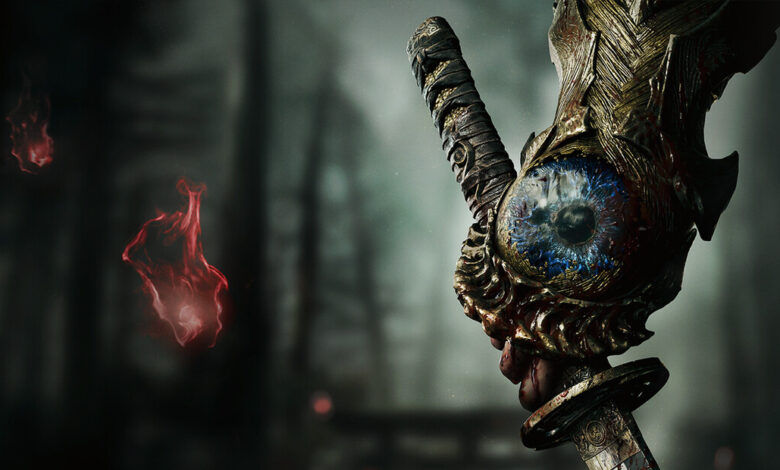
The catch is pacing. Classic Onimusha games ran lean, some clocking in under nine hours total. Way of the Sword stretches its runtime with crafting systems, gear upgrades, and a lengthy setup explaining how a young, not-yet-legendary Musashi ends up bonded to a soul-absorbing gauntlet while demonic Genma overrun feudal Kyoto.
Capcom spent the run-up insisting the game’s difficulty would satisfy longtime fans, and on the combat front it delivers. It’s the padding around those fights that wobbles. None of the backstory is bad, but the first third spends too long teaching mechanics players will only fully appreciate once real boss fights begin. It’s the modern-game instinct to pad content meeting a series built on tight, focused encounters, and the mismatch shows. Newcomers expecting the brisk pace of the originals should brace for a slower ramp.
Why a Revived Franchise Matters More Than the Score
Beyond the moment-to-moment swordplay, this launch is a signal for how publishers approach legacy catalogs. Capcom has spent years mining Resident Evil for remakes; Way of the Sword shows the same playbook can work on a smaller, dormant action franchise if the core mechanic still holds up against modern competitors like Sekiro and Ghost of Tsushima.
For tech-savvy business owners watching the gaming industry, that’s the real story. Reviving a franchise isn’t just fan service, it’s a capital-efficient way to launch a new title without building brand awareness from zero. If Way of the Sword sells well across four platforms simultaneously, expect more publishers to dust off shelved IP instead of gambling on unproven originals.
The Verdict: A Comeback That Earns Its Steel
Onimusha: Way of the Sword earns its comeback. The Issen system alone makes every encounter feel like a coin flip between mastery and death, and that tension carries the game through a slower-than-ideal opening act. Gamers get a legitimately great swordfighting game; the industry gets fresh proof that dormant franchises can still cut it in 2026.
Related on BizzNerd