Nvidia’s DLSS 5 was not supposed to be in your hands yet — and that is exactly why it is everywhere this week. The generative-AI rendering tech, unveiled at GTC 2026 as a leap beyond traditional upscaling, leaked out of an early build and has been shoved into games it was never meant to touch. The results range from impressive to deeply unsettling, and the whole episode is a preview of the fight coming to PC gaming.
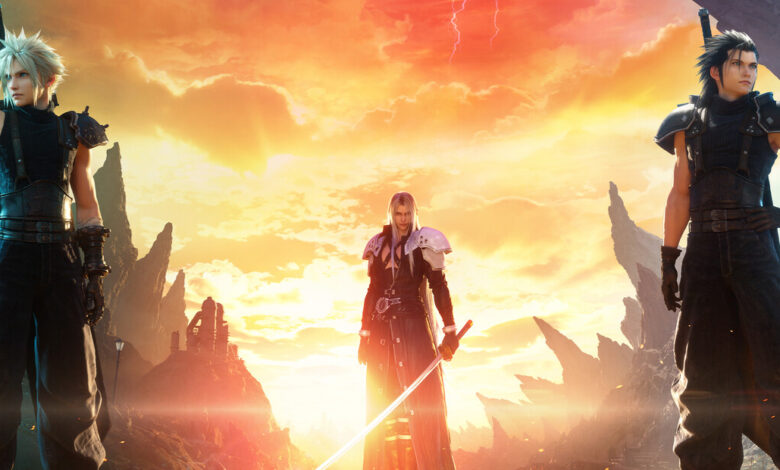
The short version: modders traced Nvidia’s neural-rendering runtime out of an NBA 2K27 early-access build and started dropping it into other titles. Skyrim, Control, and Final Fantasy 7 Rebirth all became test subjects — and Cloud Strife, one of gaming’s most iconic heroes, came out looking like he wandered in from a creepier movie.
How a Leaked DLL Turned Into an AI Filter Free-for-All
DLSS started life as a smart way to render games at a lower resolution and upscale them with AI, buying frame rate for free. DLSS 5 goes further, using generative models to reconstruct lighting and detail in real time. That is a genuine technical milestone — arguably the first time generative AI has been bolted directly onto live game rendering at this scale.
But a leaked filter with no guardrails is a different animal than a polished feature. Forced into games it was never tuned for, DLSS 5 reveals its seams fast, and the internet has been gleefully documenting every uncanny frame.
When Generative AI Meets Beloved Characters
Used subtly, the tech can look clean. Pushed too hard, it produces what players are bluntly calling the “AI look” — smeared, over-smoothed faces that feel synthetic in a way that is hard to unsee. On a beloved character like Cloud, the effect is jarring, and it taps a real anxiety: that generative AI will sand the personality off art people love.

This is not just aesthetics. It is trust. Players want to know that what they are seeing is the developers’ intent, not a probabilistic guess stitched in after the fact.
The Business Stakes: Nvidia’s Moat vs. Player Trust
DLSS is one of Nvidia’s strongest competitive moats. Every generation, it gives GeForce cards a feature rivals struggle to match, and it helps justify premium pricing. Generative rendering could widen that lead — or, if the “AI slop” reputation sticks, hand critics an easy target and give AMD and Intel an opening.
For developers, the calculus is delicate. Upscaling that boosts performance is a gift; AI that quietly rewrites their art is a liability. Expect studios to demand tight control over how and where this tech is allowed to run.
The Takeaway
DLSS 5 leaking early is a headache for Nvidia’s marketing, but it is a gift for the rest of us: a raw look at where real-time rendering is heading before the polish arrives. The technology is remarkable. The open question is whether players will accept generative AI in the frame — and that debate is only getting started.
Related on BizzNerd