CD Projekt just told investors what a lot of players wanted to hear and dreaded in equal measure: its two secret games, codenamed Sirius and Hadar, are still very much alive — and still a long way off. On the company’s latest earnings call, management confirmed both projects are progressing, framing them as central to a future where the studio no longer leans on just The Witcher and Cyberpunk. For anyone watching how a mid-sized studio turns a two-franchise reputation into a durable business, this is the update that matters.
What CD Projekt Actually Confirmed
Hadar is the wild card. It is an entirely new intellectual property, and the studio says it has now “established the foundations” of the project, with work “progressing dynamically.” Leadership describes it as an emotional, open-world experience in the mould of The Witcher 3 and Cyberpunk 2077 — big words for a game still in early development. As of the most recent headcount, roughly two dozen developers were assigned to Hadar, with plans to grow that team significantly as it moves into gameplay prototyping.
Sirius, a multiplayer-flavoured take on the Witcher universe being built with support studio The Molasses Flood, is further along on paper. A meaningfully larger team — around 70 developers — has been attached to it, and the arrival of a lead writer signals the project is being taken seriously rather than quietly shelved. Neither game has a release window, and the studio was blunt that fans should not expect either any time soon.
Why Two Secret Games Matter for a Studio This Size
There is a clear business logic here. CD Projekt spent years as a company defined by two hits, and Cyberpunk’s rocky launch showed how much risk sits in that concentration. Building parallel teams around a fresh IP and a multiplayer Witcher spreads that risk and creates more shots on goal. It also keeps talent in-house between marquee releases, which is its own quiet advantage in an industry bleeding studios through restructures and layoffs.
The trade-off is patience. Funding two unproven projects alongside a flagship demands deep pockets and steady nerves, and every extra year of development is money spent before a single copy sells. CD Projekt is betting that a broader catalogue beats a bigger single release — a reasonable bet, but one that only pays off if Hadar and Sirius actually ship.

The Long Wait Is the Whole Point
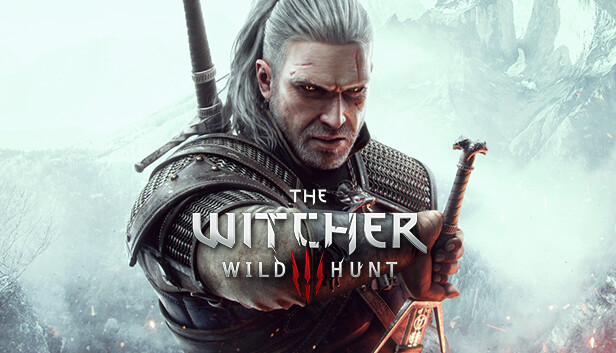
The priority remains The Witcher 4, which is targeting a 2028 window and soaking up the bulk of the studio’s resources. That timeline tells you everything about where Sirius and Hadar sit: behind the next Witcher, in a queue that stretches toward the end of the decade. The studio’s willingness to talk about them at all is really a message to investors that the pipeline runs deeper than one franchise — even if the payoff is years away.
For players still nursing scars from the Cyberpunk 2077 launch, the slow, foundations-first approach is arguably the reassuring part. CD Projekt seems to have learned that announcing early and promising big is how you build a fantasy you can’t deliver.
Related on BizzNerd
- The Witcher 4 Already Runs on PC and Consoles, CDPR Says
- CD Projekt RED Is Now the Whole Company, Not Just the Studio
- Cyberpunk 2077: Failure of the Most Anticipated Game of the Decade
The mystery games are still happening. Just not, as the studio put it, any time soon.