A Celebration Shadowed by a Rough Year
The reunion arrived under a cloud. A wave of layoffs earlier this summer hit id and the wider Xbox gaming organization, and Carmack himself acknowledged the cuts would dampen the mood of the founders’ get-together. That tension — celebrating a 30-year legacy while the current studio absorbs painful restructuring — is the backdrop to nearly every legacy franchise right now. It’s a reminder that even the most storied names in gaming aren’t insulated from the industry’s broader belt-tightening, a theme running through this year’s QuakeCon alongside the free Quake update id shipped for the event.
Carmack’s four-word review won’t change anyone’s roadmap, but it crystallizes why id’s early work still matters. Great tech and great design, built to last, keep paying dividends long after the people who made them have moved on to new problems. Doom didn’t just survive 33 years — it’s still fun enough that the guy who coded it lost 30 minutes to it at a convention. That’s the bar.
Related on BizzNerd
- Trent Reznor on Doom: Scoring Chaos and Nine Inch Nails
- Quake’s Dawn of the Machine Update Adds 19 Maps for Free
Why Doom’s Staying Power Is a Business Lesson
For founders and product builders, Doom is a case study in durable design. It shipped lean, ran on modest hardware, and shared its tech openly enough to seed an entire modding economy that keeps the game alive for free. That combination — accessible distribution, a moddable platform, and gameplay stripped to its most satisfying loop — is why a 1993 title still generates revenue and goodwill in 2026. Compare that to the endless list of technically dazzling releases that vanished within a year, and the message is clear: fundamentals age better than spectacle. It’s the same instinct we saw when Trent Reznor reflected on scoring Doom — the franchise wins by nailing feel first.
A Celebration Shadowed by a Rough Year
The reunion arrived under a cloud. A wave of layoffs earlier this summer hit id and the wider Xbox gaming organization, and Carmack himself acknowledged the cuts would dampen the mood of the founders’ get-together. That tension — celebrating a 30-year legacy while the current studio absorbs painful restructuring — is the backdrop to nearly every legacy franchise right now. It’s a reminder that even the most storied names in gaming aren’t insulated from the industry’s broader belt-tightening, a theme running through this year’s QuakeCon alongside the free Quake update id shipped for the event.
Carmack’s four-word review won’t change anyone’s roadmap, but it crystallizes why id’s early work still matters. Great tech and great design, built to last, keep paying dividends long after the people who made them have moved on to new problems. Doom didn’t just survive 33 years — it’s still fun enough that the guy who coded it lost 30 minutes to it at a convention. That’s the bar.

Related on BizzNerd
- Trent Reznor on Doom: Scoring Chaos and Nine Inch Nails
- Quake’s Dawn of the Machine Update Adds 19 Maps for Free
Why Doom’s Staying Power Is a Business Lesson
For founders and product builders, Doom is a case study in durable design. It shipped lean, ran on modest hardware, and shared its tech openly enough to seed an entire modding economy that keeps the game alive for free. That combination — accessible distribution, a moddable platform, and gameplay stripped to its most satisfying loop — is why a 1993 title still generates revenue and goodwill in 2026. Compare that to the endless list of technically dazzling releases that vanished within a year, and the message is clear: fundamentals age better than spectacle. It’s the same instinct we saw when Trent Reznor reflected on scoring Doom — the franchise wins by nailing feel first.
A Celebration Shadowed by a Rough Year
The reunion arrived under a cloud. A wave of layoffs earlier this summer hit id and the wider Xbox gaming organization, and Carmack himself acknowledged the cuts would dampen the mood of the founders’ get-together. That tension — celebrating a 30-year legacy while the current studio absorbs painful restructuring — is the backdrop to nearly every legacy franchise right now. It’s a reminder that even the most storied names in gaming aren’t insulated from the industry’s broader belt-tightening, a theme running through this year’s QuakeCon alongside the free Quake update id shipped for the event.
Carmack’s four-word review won’t change anyone’s roadmap, but it crystallizes why id’s early work still matters. Great tech and great design, built to last, keep paying dividends long after the people who made them have moved on to new problems. Doom didn’t just survive 33 years — it’s still fun enough that the guy who coded it lost 30 minutes to it at a convention. That’s the bar.
Related on BizzNerd
- Trent Reznor on Doom: Scoring Chaos and Nine Inch Nails
- Quake’s Dawn of the Machine Update Adds 19 Maps for Free
A Legendary Coder Grades His Own Homework
Carmack didn’t skim a highlight reel. He actually played, working his way to the fourth level and spending a solid stretch — around 15 minutes each — on levels four and five before delivering his verdict. There’s something quietly instructive about the co-creator of a game putting in real time before praising it, rather than trading on nostalgia. The engine he built to run on 1993 PCs still delivers tight, readable, fast-paced combat, which is why Doom has been ported to everything from calculators to pregnancy tests and continues to sell on modern storefronts.
Why Doom’s Staying Power Is a Business Lesson
For founders and product builders, Doom is a case study in durable design. It shipped lean, ran on modest hardware, and shared its tech openly enough to seed an entire modding economy that keeps the game alive for free. That combination — accessible distribution, a moddable platform, and gameplay stripped to its most satisfying loop — is why a 1993 title still generates revenue and goodwill in 2026. Compare that to the endless list of technically dazzling releases that vanished within a year, and the message is clear: fundamentals age better than spectacle. It’s the same instinct we saw when Trent Reznor reflected on scoring Doom — the franchise wins by nailing feel first.
A Celebration Shadowed by a Rough Year
The reunion arrived under a cloud. A wave of layoffs earlier this summer hit id and the wider Xbox gaming organization, and Carmack himself acknowledged the cuts would dampen the mood of the founders’ get-together. That tension — celebrating a 30-year legacy while the current studio absorbs painful restructuring — is the backdrop to nearly every legacy franchise right now. It’s a reminder that even the most storied names in gaming aren’t insulated from the industry’s broader belt-tightening, a theme running through this year’s QuakeCon alongside the free Quake update id shipped for the event.
Carmack’s four-word review won’t change anyone’s roadmap, but it crystallizes why id’s early work still matters. Great tech and great design, built to last, keep paying dividends long after the people who made them have moved on to new problems. Doom didn’t just survive 33 years — it’s still fun enough that the guy who coded it lost 30 minutes to it at a convention. That’s the bar.
Related on BizzNerd
- Trent Reznor on Doom: Scoring Chaos and Nine Inch Nails
- Quake’s Dawn of the Machine Update Adds 19 Maps for Free
A Legendary Coder Grades His Own Homework
Carmack didn’t skim a highlight reel. He actually played, working his way to the fourth level and spending a solid stretch — around 15 minutes each — on levels four and five before delivering his verdict. There’s something quietly instructive about the co-creator of a game putting in real time before praising it, rather than trading on nostalgia. The engine he built to run on 1993 PCs still delivers tight, readable, fast-paced combat, which is why Doom has been ported to everything from calculators to pregnancy tests and continues to sell on modern storefronts.
Why Doom’s Staying Power Is a Business Lesson
For founders and product builders, Doom is a case study in durable design. It shipped lean, ran on modest hardware, and shared its tech openly enough to seed an entire modding economy that keeps the game alive for free. That combination — accessible distribution, a moddable platform, and gameplay stripped to its most satisfying loop — is why a 1993 title still generates revenue and goodwill in 2026. Compare that to the endless list of technically dazzling releases that vanished within a year, and the message is clear: fundamentals age better than spectacle. It’s the same instinct we saw when Trent Reznor reflected on scoring Doom — the franchise wins by nailing feel first.
A Celebration Shadowed by a Rough Year
The reunion arrived under a cloud. A wave of layoffs earlier this summer hit id and the wider Xbox gaming organization, and Carmack himself acknowledged the cuts would dampen the mood of the founders’ get-together. That tension — celebrating a 30-year legacy while the current studio absorbs painful restructuring — is the backdrop to nearly every legacy franchise right now. It’s a reminder that even the most storied names in gaming aren’t insulated from the industry’s broader belt-tightening, a theme running through this year’s QuakeCon alongside the free Quake update id shipped for the event.
Carmack’s four-word review won’t change anyone’s roadmap, but it crystallizes why id’s early work still matters. Great tech and great design, built to last, keep paying dividends long after the people who made them have moved on to new problems. Doom didn’t just survive 33 years — it’s still fun enough that the guy who coded it lost 30 minutes to it at a convention. That’s the bar.
Related on BizzNerd
- Trent Reznor on Doom: Scoring Chaos and Nine Inch Nails
- Quake’s Dawn of the Machine Update Adds 19 Maps for Free
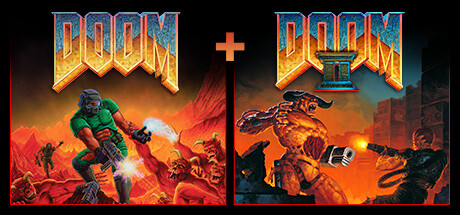
More than three decades after it rewired the entire games industry, the original Doom still holds up — and this time the verdict comes from the man who wrote the engine. At QuakeCon 2026, id Software co-founder John Carmack picked up a controller, dropped back into the 1993 shooter, and came away with a simple review: “Still a great game after all these years!” For anyone building software, hardware, or a business meant to outlast a hype cycle, that longevity is the real headline.
The moment landed at a milestone event. This year’s QuakeCon marked 30 years of the community gathering, and it doubled as a reunion: John Romero, John Carmack, Tom Hall, and Adrian Carmack — id’s original founding quartet — were all in the same room, reportedly for the first time since the studio’s earliest days. A programmer casually clearing early Doom levels between panels is exactly the kind of unscripted history QuakeCon exists to produce.
A Legendary Coder Grades His Own Homework
Carmack didn’t skim a highlight reel. He actually played, working his way to the fourth level and spending a solid stretch — around 15 minutes each — on levels four and five before delivering his verdict. There’s something quietly instructive about the co-creator of a game putting in real time before praising it, rather than trading on nostalgia. The engine he built to run on 1993 PCs still delivers tight, readable, fast-paced combat, which is why Doom has been ported to everything from calculators to pregnancy tests and continues to sell on modern storefronts.
Why Doom’s Staying Power Is a Business Lesson
For founders and product builders, Doom is a case study in durable design. It shipped lean, ran on modest hardware, and shared its tech openly enough to seed an entire modding economy that keeps the game alive for free. That combination — accessible distribution, a moddable platform, and gameplay stripped to its most satisfying loop — is why a 1993 title still generates revenue and goodwill in 2026. Compare that to the endless list of technically dazzling releases that vanished within a year, and the message is clear: fundamentals age better than spectacle. It’s the same instinct we saw when Trent Reznor reflected on scoring Doom — the franchise wins by nailing feel first.
A Celebration Shadowed by a Rough Year
The reunion arrived under a cloud. A wave of layoffs earlier this summer hit id and the wider Xbox gaming organization, and Carmack himself acknowledged the cuts would dampen the mood of the founders’ get-together. That tension — celebrating a 30-year legacy while the current studio absorbs painful restructuring — is the backdrop to nearly every legacy franchise right now. It’s a reminder that even the most storied names in gaming aren’t insulated from the industry’s broader belt-tightening, a theme running through this year’s QuakeCon alongside the free Quake update id shipped for the event.
Carmack’s four-word review won’t change anyone’s roadmap, but it crystallizes why id’s early work still matters. Great tech and great design, built to last, keep paying dividends long after the people who made them have moved on to new problems. Doom didn’t just survive 33 years — it’s still fun enough that the guy who coded it lost 30 minutes to it at a convention. That’s the bar.
Related on BizzNerd