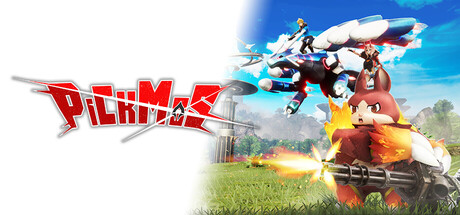
A blatant Palworld imitator just learned that changing a single letter in your title doesn’t make the copyright questions disappear. Pickmos, a monster-taming game accused of lifting designs from Pokemon fan artists and assets from other major franchises, has been yanked from Steam after its own publisher publicly intervened. It’s a small story with an outsized lesson for anyone building a product on borrowed ideas: in a market this visible, “inspired by” can curdle into “liability” overnight.
From Pickmon to Pickmos — One Letter Too Close
The game first surfaced as “Pickmon,” a name sitting uncomfortably close to a certain billion-dollar franchise. After backlash, the studio rebranded to “Pickmos,” claiming the new “-mos” suffix evoked a “grand Cosmos” and a “more powerful presence.” Few people bought the explanation. The change did nothing to quiet accusations that the game leaned on stolen fan-made creature designs, with critics also pointing to assets that resembled work from other well-known series. A cosmetic tweak couldn’t paper over the deeper problem.
When the Publisher Has to Step In
The turning point came when publisher Networkgo officially intervened in development, pulled the game from Steam, and announced it would directly supervise the studio behind it. The developer said it was revising the title to ensure a “controversy-free experience” before any re-release. That’s a striking moment: a publisher publicly putting a product on ice and taking the wheel rather than letting a reputational fire spread. It’s damage control in real time — and a reminder that publishers carry the brand risk when a developer cuts corners.
The Real Cost of Building on Someone Else’s IP
For business-minded developers, Pickmos is a cautionary tale worth pinning to the wall. Cloning a hit can feel like a shortcut to a hungry audience, but the legal and reputational exposure compounds fast — storefront removal, public ridicule, and a partner forced to intervene can erase whatever quick traction you gained. Original assets and clearly defended IP aren’t just ethical niceties; they’re risk management. The teams that treat them as optional tend to find out the hard way.
What Storefronts and Studios Should Take From It
The episode also puts a spotlight on platform moderation. Steam’s open-door policy is a gift to indie developers, but it also means questionable clones can reach storefront shelves before anyone intervenes. Expect more publishers and platforms to get proactive about vetting derivative projects, because the alternative — public takedowns after the fact — is far more expensive for everyone involved.

The Bottom Line
Pickmos may eventually return in a scrubbed, “controversy-free” form, but the damage to its launch and its credibility is already done. The takeaway for builders is simple: imitation might get you noticed, but originality is what keeps you on the shelf.