Peter Molyneux’s Masters of Albion — The God-Game Legend Is Back, and This Time the Stakes Are Personal

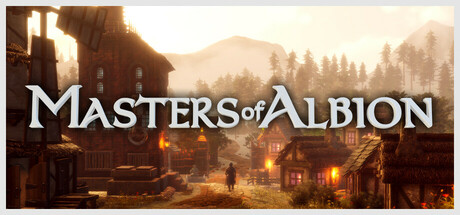
Peter Molyneux has spent two decades promising the moon and delivering receipts. With Masters of Albion, the legendary god-game designer is making his most convincing argument in years that he’s returned to the genre that made him — not the monetization experiments that nearly buried him. After a brief hands-on with the early-access build, one thing is clear: for the first time in a long time, there’s a proper game here.
What Happened
Masters of Albion has entered early access on PC, carrying the unmistakable fingerprints of Molyneux’s Lionhead-era classics. The game drops players into a small, handcrafted slice of Albion, tasking them with nurturing a settlement, directing villagers, and shaping the world as an invisible guiding force. Early builds are rough — missing features, placeholder assets, and the usual early-access friction — but the core loop already feels recognizably Molyneux: small cause-and-effect decisions rippling out into big, emergent consequences. This is not Fable or Black & White in a new costume. It’s closer in spirit to a modernized Populous, stripped of the NFT ambitions that derailed Molyneux’s previous project, Legacy, and rebuilt around simulation-first design. The studio behind it, 22cans, has framed the release as a long-horizon development effort rather than a surprise launch — meaning buyers should go in expecting to pay to participate in the development, not to receive a finished product. For fans of classic god games, that’s an acceptable trade. For skeptics, it’s another chance to see whether Molyneux can actually deliver what he describes.
Why It Matters for the Industry
The god-game genre has been dormant for so long that an entire generation of players has grown up without one. That’s an opportunity — and a risk. If Masters of Albion succeeds commercially, it validates the business case for reviving dormant genres with focused indie-scale budgets, which is exactly the wedge smaller studios need to survive in a market dominated by live-service giants. If it fails, it confirms the narrative that nostalgia alone cannot sustain a release in 2026. For entrepreneurs watching the creator economy closely, there’s a more uncomfortable lesson embedded here: founder-driven brands are double-edged. Molyneux is the reason this game exists, and also the reason a sizable portion of the audience refuses to trust a pre-order. Studios built around a single visionary founder face a permanent credibility tax — one that can only be paid down with finished, shipped, working software.
The Bigger Picture
Masters of Albion arrives at a moment when the simulation genre is quietly booming. From Manor Lords to Frostpunk 2, players are demonstrating real appetite for systems-first, strategy-adjacent games that reward patience and mastery. A revitalized god game slots naturally into that ecosystem. The question is whether 22cans can execute on the promise without repeating the mistakes that have dogged Molyneux’s post-Lionhead career. Early access gives them room to iterate publicly — a business model that didn’t exist during the studio’s last major release — and that structural advantage matters. The outcome here will tell us whether the god-game revival is a legitimate movement or a one-off curiosity.
Takeaway
For the first time in years, Peter Molyneux has made something that feels like a game instead of a slideshow. Masters of Albion isn’t finished, but the foundation is honest, recognizable, and genuinely promising. If he finishes it, the god-game comeback gets real.

Original reporting via PC Gamer.