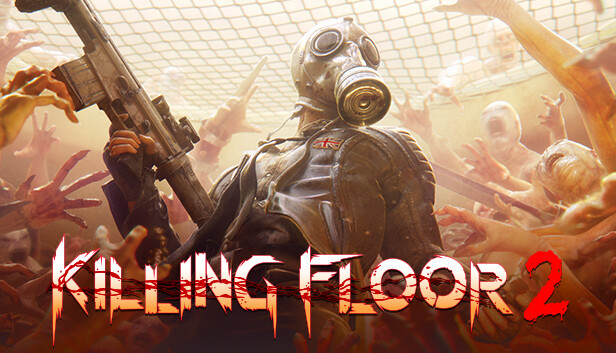
While most of the industry chases the next always-online, battle-pass-driven live-service hit, one publisher is going the other way — and calling the trend a “red flag.” Tripwire Interactive, the studio best known for the Killing Floor series, is leaning into an older kind of multiplayer built on peer-to-peer connections, player-run server browsers, and organic community instead of engagement metrics. In a market littered with shuttered live-service games, that contrarian bet looks less like nostalgia and more like a sober read of where the risk actually lives.
What “Old-School Multiplayer” Actually Means Here
The pitch is refreshingly concrete. Rather than routing every match through centralized servers the publisher pays to keep alive, this model hands power back to players: peer-to-peer hosting, dedicated servers anyone can spin up, and a browser to find them. It’s the architecture that powered the multiplayer boom of the 2000s, and its biggest feature isn’t nostalgia — it’s durability. A game built this way doesn’t die the day the publisher flips a switch. Tripwire frames preservation as a responsibility, and in an era where beloved titles vanish overnight, that framing carries real weight with players who are tired of renting games they thought they bought.
The Business Case Against Live-Service
Live-service looks like a money printer until you count the failures. The model demands enormous ongoing content budgets, a live-ops team, and a player base big enough to justify both — and the graveyard of high-profile flameouts keeps growing, as we saw when the game director left Bungie’s Marathon just months after launch. For a mid-sized studio, betting the company on a live-service moonshot is a genuine existential risk. A community-hosted multiplayer game flips that math: lower ongoing costs, a longer tail, and a loyal audience that maintains the game for free. It’s not the strategy that produces a billion-dollar quarter, but it’s the one that keeps a studio independent and solvent.
Why Communities, Not Servers, Keep Games Alive
There’s a reason people still play two-decade-old shooters. When players control the servers, mods, and matchmaking, a game becomes a living hobby rather than a product with an expiration date — the same DIY energy that made GTA 4’s chaotic multiplayer such a fondly remembered playground. That organic ownership is exactly what corporate live-service systems tend to strangle. Tripwire’s wager is that a smaller, self-sustaining community is worth more over ten years than a rented crowd that churns out in ten weeks. For entrepreneurs watching the games space, it’s a reminder that owning your customer relationship beats renting attention.
A Contrarian Bet Worth Watching
None of this means live-service is dead — the biggest players will keep printing money with it. But Tripwire is proving there’s a viable, defensible lane for studios that don’t want to gamble everything on live-ops. Prioritizing preservation, player ownership, and lower overhead is a legitimately smart business model dressed up as a throwback. If it works, expect more mid-sized publishers to quietly follow. Sometimes the most forward-thinking move is refusing to chase the trend everyone else is bleeding out on.

Related on BizzNerd