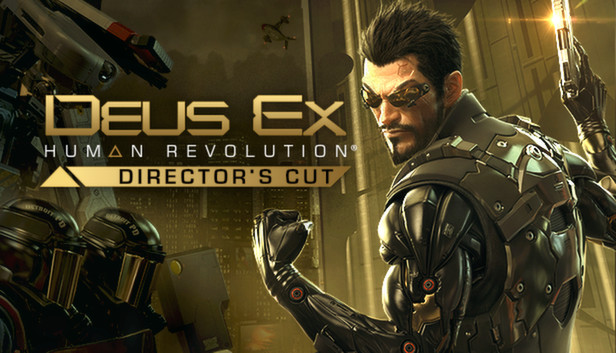
Delays get treated like failures in the games industry, but veteran designer Harvey Smith has a counterpoint worth hearing: a multi-month slip during Deus Ex development turned into a genuine payoff for one of the game’s most memorable characters. It is a reminder that extra time, used well, is not lost time — it is where some of the best creative work actually happens.
For anyone building products of any kind, the story lands beyond gaming. The instinct to ship on the original date is powerful, and the pressure to hit a calendar can flatten the very details that make something special. Smith’s recollection is a case study in the opposite outcome.
When Extra Time Becomes Extra Craft
Smith’s account, by his own telling, takes the scenic route before reaching its point — but the destination is clear. The additional development window gave the team room to deepen a standout character rather than settle for a serviceable version. Instead of patching a rushed result, the delay let the writing, design, and moment-to-moment execution mature into something players remembered long after the credits.
That is the part decision-makers tend to forget. A slipped date is visible and easy to criticize. The quiet upside — a scene that lands, a character who feels real, a mechanic that finally clicks — is invisible in a press release but obvious in the finished product. Deus Ex has endured precisely because it sweated those details.
The Legacy That Made the Wait Worth It
Deus Ex helped define the immersive sim: a genre built on player choice, systemic depth, and worlds that respond to how you actually play. Games like that live or die on their characters and the texture of their storytelling, which is exactly why an extra few months on a key character was money well spent. The franchise’s influence still shows up across the medium today.

That lineage runs through the careers of the genre’s architects. We covered it when Warren Spector, another Deus Ex driving force, stepped away, and the immersive-sim DNA keeps resurfacing in new projects — including the recently announced System Shock VR, a direct ancestor of everything Deus Ex became.
The Business Case for Slipping a Date
There is a hard-nosed lesson here for founders and studios alike. Shipping late stings once; shipping a weak product stings for the life of the brand. The trick is knowing when a delay buys real quality versus when it just burns runway — and that judgment call is one of the most valuable skills a creative leader can have.
Smith’s Deus Ex story sits firmly on the productive side of that line. The delay was not drift; it was investment, and it paid dividends in a character players still talk about. For any team staring down a deadline and a piece of work that is almost there, that is a useful piece of perspective from someone who has shipped classics.
Related on BizzNerd
- Warren Spector Retires: Deus Ex Creator Bows Out
- System Shock VR Announced for Quest, PS VR2 and SteamVR
The Bottom Line
A multi-month Deus Ex delay produced one of the franchise’s best characters — and a durable argument that time, spent with intent, is a creative asset rather than a scheduling defeat. In an industry that treats every slipped date as a scandal, Harvey Smith’s story is a healthy corrective: sometimes the best thing you can do for the work is give it room to become what it should be.