May 2016 was the kind of month game developers dream about. In the span of three weeks, the industry shipped a genre-defining shooter, a career-capping cinematic epic, a strategy crossover nobody expected to work, a hero shooter that rewired competitive gaming, a grand strategy sandbox that is still expanding, and an expansion many still call the best in RPG history. Ten years later in 2026, that lineup reads less like a release calendar and more like a syllabus for what modern games could be.
These anniversaries matter for more than nostalgia. Every one of these titles is still playable, still supported by active communities, and in several cases still receiving mods or spiritual successors that trace directly back to what launched in May 2016. For anyone building a backlog, running a retro game night, or just wondering why certain design choices from a decade ago still show up in 2026’s biggest releases, this is the month to study.
DOOM Proved a 23-Year-Old Franchise Could Still Set the Pace
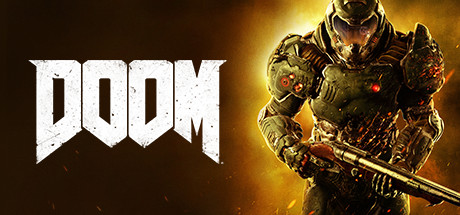
id Software’s reboot could have leaned on nostalgia and coasted. Instead, DOOM rebuilt the series around momentum: glory kills, a chainsaw that doubled as an ammo dispenser, and level design that rewarded aggression over cover-shooting caution. Released May 13, 2016, it arrived at a moment when military shooters had gone gray and grounded, and it answered with neon, speed, and a soundtrack that felt like a weapon in its own right. The formula it established directly shaped DOOM Eternal and influenced a wave of fast-paced shooters that followed. Ten years on, it still plays like the blueprint.
Uncharted 4 Closed a Trilogy the Right Way
Naughty Dog had a near-impossible job with Uncharted 4: A Thief’s End, released May 10, 2016. The studio needed to give Nathan Drake a send-off worthy of three prior games while pushing PS4 hardware further than almost anything else on the console. It delivered both. The rope-swinging traversal, the set-piece truck chase, and a final act that traded bombast for genuine emotional weight made it one of the clearest arguments that action games can also be character studies. It remains the reference point for cinematic third-person adventures.
Total War: Warhammer Made a Crossover Everyone Doubted Would Work
Mixing Creative Assembly’s historical strategy engine with Games Workshop’s fantasy universe sounded like a gamble on paper. Released May 24, 2016, Total War: Warhammer proved it was anything but. Dragons, magic, and monstrous unit rosters gave the long-running Total War formula a jolt of creative energy it badly needed, and the game’s success effectively saved the franchise from creative fatigue. The trilogy it kicked off became one of strategy gaming’s biggest success stories, and its influence is still visible in how studios approach licensed strategy crossovers today.

Overwatch Turned the Hero Shooter Into a Genre
Blizzard’s Overwatch launched May 24, 2016, the same day as Total War: Warhammer, and quietly rewired competitive shooters for the next decade. Its cast of distinct heroes, color-coded roles, and emphasis on team composition over raw aim skill made it approachable for newcomers while staying deep enough for esports. Nearly every hero shooter that followed, and there have been dozens, owes some part of its DNA to what Overwatch established in its first year. Its influence on live-service design, seasonal content, and character-driven marketing is still shaping how publishers build competitive games in 2026.
Stellaris Proved Grand Strategy Could Be a Living, Growing Game
Paradox Development Studio had built its reputation on historical strategy games, so a space-based 4X title was a departure. Stellaris, released May 9, 2016, combined the exploration thrill of discovering a new galaxy with the systemic depth Paradox fans expected, and it became the studio’s fastest-selling game at the time. What makes it a standout a decade later is how it has evolved: years of expansions and free updates have transformed it into a substantially different, richer game than the one that shipped, while keeping its original curiosity-driven core intact.
Blood and Wine Gave The Witcher 3 the Ending It Deserved
Technically an expansion rather than a standalone release, The Witcher 3: Wild Hunt’s Blood and Wine, released May 31, 2016, earns its place on this list because it did something few add-ons manage: it matched, and arguably exceeded, the quality of the base game. CD Projekt Red used the vineyard region of Toussaint to deliver a warmer, more colorful send-off for Geralt, paired with one of the best-written questlines in the studio’s catalog. A decade later, it is still cited as one of the best pieces of downloadable content ever made, and it set the bar every RPG expansion since has been measured against.
Why This Month Still Matters
What ties these releases together isn’t genre or platform. It’s ambition backed by follow-through. A shooter reinvented its own pacing, a strategy series successfully reinvented itself, a hero shooter built a genre from scratch, a 4X game proved it could keep growing for a decade, and two narrative-driven titles closed out their stories on their own terms. That is a rare density of lasting quality for a single month.
For gamers building a 2026 backlog, all six titles hold up on modern hardware, most have received performance patches or remasters, and each still has an active community ready to welcome new or returning players. Ten years is enough time to know which games were genuinely great and which just felt that way in the moment. This lineup passed the test.