
Before League of Legends was a billion-dollar esport played by hundreds of millions of people, it was a rough pitch deck for a game called “Onslaught: War of the Immortals” — and it looked almost nothing like the polished MOBA that now prints money for Riot Games. A YouTuber recently tracked down that original investor pitch with help from current Riot employees, and the document is a gift to anyone building a company from scratch. It’s proof that the products we now treat as inevitable usually started as messy, half-formed bets that barely resembled the thing that eventually worked.
For founders, this matters more than nostalgia. Every successful company has an origin story that gets smoothed over once the brand is established. Seeing the actual raw pitch — typos, weird lore, and all — is a rare look at what “early stage” really looks like before hindsight cleans it up.
What the Original Pitch Deck Actually Showed
The rediscovered document was a bundle of video footage, a handful of champion design sheets, a lore summary, and screenshots — the kind of scrappy, mixed-media pitch you’d expect from a small team trying to convince investors to bet on an unproven idea. The tone was darker and grittier than the game that eventually launched, leaning closer to an action RPG than the strategic, team-based MOBA League of Legends became known for.
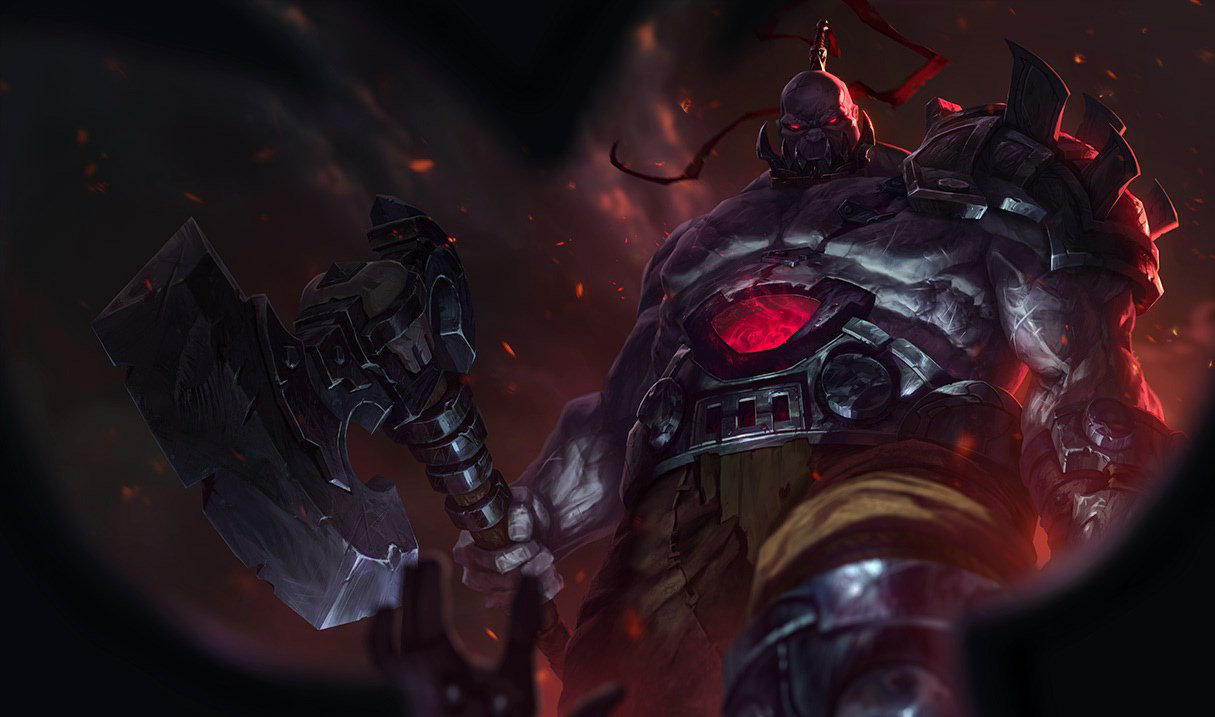
Some of the details are almost unrecognizable next to the modern game. The champion Sion, now a lumbering undead juggernaut, was sketched with a beard in this early version. The story leaned into heavier, more overtly dark fantasy territory, including a villain framed as something like an antichrist figure. Early matches also appear to have been built around six-versus-six team fights rather than the five-versus-five format that later became the genre standard. None of it screams “future global phenomenon.” That’s exactly the point.
Why the First Draft Never Looks Like the Winning Product
Riot’s founders, Brandon Beck and Marc Merrill, weren’t chasing an original idea in a vacuum. They were reacting to something already working: a fan-made mod for Warcraft III called Defense of the Ancients, which had built an obsessive community without any studio backing or dedicated support. Beck and Merrill saw the gap — a mod with massive engagement but no company treating it as a real, ongoing product — and built a business around filling it.
That’s a classic founder move: not inventing demand, but noticing where demand already exists and nobody is serving it properly. The Onslaught pitch was their first attempt to translate that opportunity into something investable, and it took several more years of iteration before the game shipped in 2009 as League of Legends and helped define the modern MOBA rivalry. The gap between “identified opportunity” and “product that actually converts” is where most of the real work happens, and it’s rarely glamorous.
The Real Takeaway for Founders Building in Public Right Now
Every founder has a version of this document sitting in an old folder somewhere — the first landing page, the first slide deck, the first product screenshot that made total sense at the time and looks almost embarrassing in hindsight. Riot’s own founders needed years of rework, market feedback, and design iteration to turn a dark action-RPG concept with a bearded skeleton and antichrist lore into the most-played competitive game on the planet.
The lesson isn’t that the original idea was bad. It’s that no idea survives first contact with a real market unchanged, and treating an early pitch as sacred is a good way to kill a product that could have worked with a few more iterations. Investors weren’t backing “Onslaught” as a finished vision. They were backing a team’s ability to keep adjusting until something clicked.
- Your first pitch is a starting point, not a blueprint you’re obligated to protect.
- Spotting an underserved, already-engaged audience beats inventing demand from nothing.
- The gap between a good idea and a working product is measured in years, not weeks.
League of Legends now generates billions in annual revenue and anchors one of the biggest esports ecosystems in the world. None of that was visible in the original pitch. What was visible was a team willing to keep rebuilding until the idea matched the opportunity — which is still the most reliable predictor of startup success there is.