
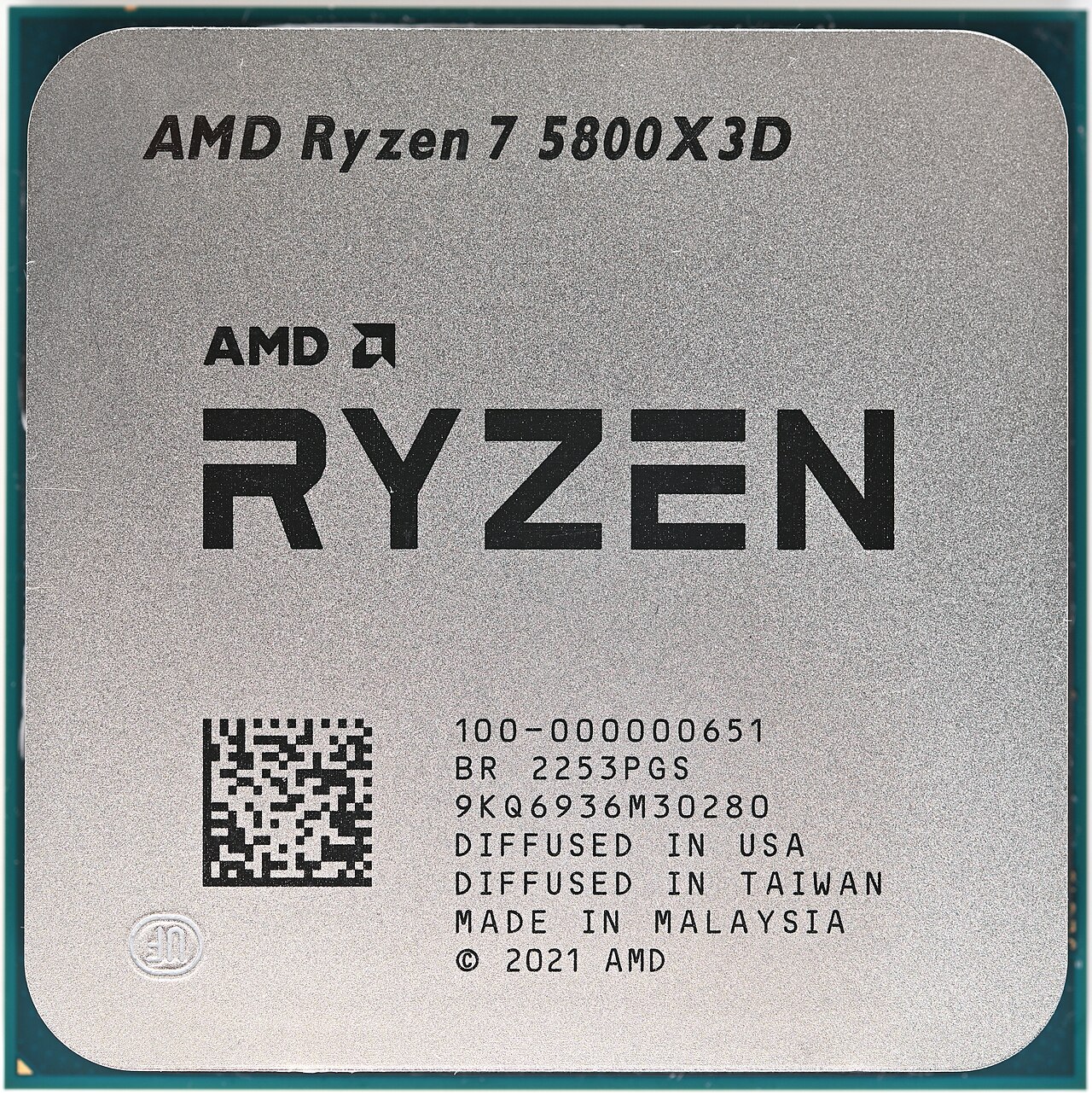
Here is a nightmare scenario for anyone who shops the used-PC-parts market: you buy a perfectly good processor, drop it into your rig, launch a game, and get hit with a Valorant hardware ban you never earned. That is exactly what one German player says happened after picking up a secondhand AMD Ryzen 7 5800X3D — the chip allegedly carried the previous owner’s cheating ban with it. Riot’s anti-cheat boss, however, is disputing key parts of the story, and the back-and-forth is a useful reality check on how these bans actually work.
For the growing number of builders buying used silicon to beat rising hardware prices, the takeaway matters well beyond one Reddit thread.
The Claim: A Banned Chip Bought on the Used Market
According to a post on the German-language PCBaumeister subreddit, the player bought a Ryzen 7 5800X3D on the secondhand marketplace Kleinanzeigen and received it on September 21. When they fired up Valorant, the game immediately kicked them out. Riot support reportedly told them the CPU had been banned on August 12 because the previous owner was caught cheating. Riot’s Vanguard anti-cheat ties bans to specific hardware identifiers precisely so that cheaters can’t just make a new account and jump back in — but that same system means a flagged component can, in theory, follow the hardware to its next owner.
The buyer also claimed Riot told them the ban had spread, blacklisting the rest of their system — motherboard and storage included. That is the detail that turned a frustrating story into a viral one, and it is also the part Riot says is wrong.
Riot’s Anti-Cheat Boss Disputes the Scariest Part
Phillip Koskinas, who leads anti-cheat at Riot, pushed back firmly in a pair of posts. He denied that detecting one banned component causes a system’s other hardware to be blacklisted — meaning the “it bricked my whole PC for Valorant” version of the story does not reflect how Vanguard operates. He also said he couldn’t find a support ticket matching the player’s described situation and called the account “pretty unlikely.”
Two more facts worth knowing: Riot’s hardware bans carry a four-month maximum duration rather than lasting forever, and support is supposed to tell you the remaining time left on a ban when you open a ticket. So even in a genuine inherited-ban case, the penalty is temporary, not a permanent death sentence for your processor.
What Used-Hardware Buyers Should Actually Take Away
Whether or not this specific story checks out, the underlying risk is real enough to plan around. Hardware-level bans exist across competitive shooters, and buying used means you inherit whatever reputation a component picked up in its last life. If you game competitively, it is worth buying parts from reputable sellers, keeping your purchase records, and opening a support ticket immediately if something looks off — the four-month cap means a legitimate inherited ban clears on its own, and documentation helps you make the case.
The bigger picture is a familiar tension: aggressive anti-cheat is what keeps games like Valorant playable, but hardware bans blur the line between punishing a cheater and punishing whoever owns the parts next. Riot disputing the viral details is reassuring, yet the episode is a reminder to treat a cheap, too-good-to-be-true CPU listing with the same caution you’d give any secondhand big-ticket buy.