
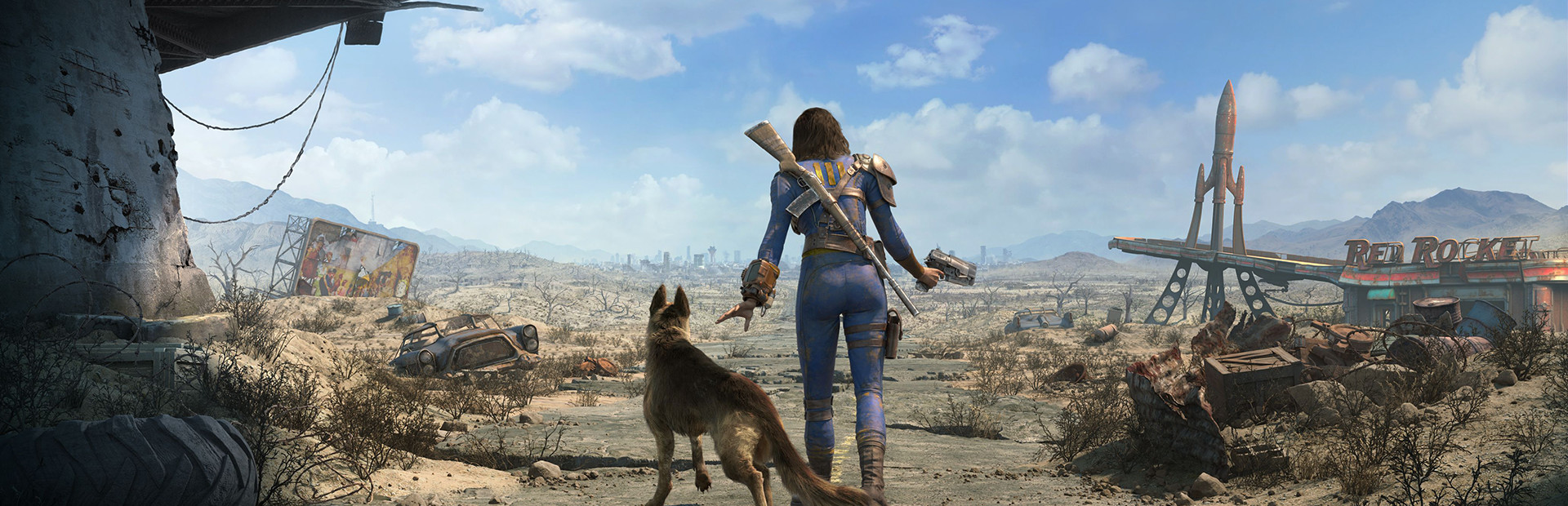
Tim Cain, the co-creator of Fallout, just handed founders a lesson that has nothing to do with role-playing games and everything to do with how you build a product. His point: the industry keeps studying its winners and ignoring its losers, and that habit is quietly costing it insight it desperately needs.
Cain’s argument is simple but easy to miss. Publishers chase sales numbers, so they only look closely at what sold. “Because of that, they often don’t learn from failure because they only look at the games that sold well,” he said. Meanwhile, players do the same thing from the other side, pointing at a hit and demanding “more of that” without knowing which specific piece actually made it work. If you run a business, replace “publisher” with “founder” and “gamer” with “customer” and the pattern should feel uncomfortably familiar.
Why Everyone Studies Winners and Skips the Autopsy
This is survivorship bias, and it shows up everywhere products get made. A game ships, flops, and disappears from the conversation almost immediately — especially if it wasn’t attached to a big franchise. Nobody writes the retrospective. Nobody runs the postmortem meeting. The title simply vanishes, and with it, every lesson buried inside its failure.
Cain isn’t talking about games that were broken beyond saving. He means the much larger category of titles that were fine, forgettable, or almost good — the ones that came out, weren’t very good, and were forgotten. Those are the most instructive cases of all, because they usually got several things right and one or two things badly wrong. Isolating that gap is far more useful than reverse-engineering a hit, where dozens of variables tangle together and nobody can say for certain which one mattered.
Founders make this same mistake constantly. A startup studies a unicorn’s funding history, its marketing stunts, its hiring pace — and tries to replicate all of it, assuming the whole package caused the outcome. Rarely does anyone study the ten companies that did nearly the same thing and quietly shut down. Cain, who has been unusually candid about design tradeoffs lately, is really arguing for a better feedback loop.
The Danger of Customers Who Can’t Explain What They Actually Want
The second half of Cain’s comment is the sharper one for anyone building a product with a customer base. Gamers, he noted, will “point to popular games and say, ‘we want more of that,’ without necessarily knowing exactly what part of those games made them so good.” Customers are excellent at recognizing what they enjoyed and terrible at diagnosing why.
That gap is where a lot of product roadmaps go wrong. A business owner hears “we want an app like our competitor” and builds a clone of the whole experience, when the actual driver of loyalty might have been one small feature, a pricing model, or even just good timing. Treating customer requests as literal blueprints, instead of clues, leads teams to copy surface details while missing the mechanism underneath.
The fix isn’t to ignore feedback. It’s to treat “we want more of that” as the start of an investigation, not the end of one. Ask what specifically created the feeling customers are describing, then test that element in isolation before building around it.
Building a Failure Review Into Your Actual Process
What makes Cain’s comments useful is that they point to a fixable habit, not an abstract industry flaw. Any team can decide to study its misses on purpose instead of letting them quietly disappear from the record. That looks different depending on the business, but the shape is consistent:
- Run a real postmortem on failed launches, not just successful ones, and document what specifically underperformed.
- Separate “this didn’t work” from “this wasn’t marketed well” — those require completely different fixes.
- When a competitor succeeds, look at their near-identical rivals who didn’t, and compare the difference instead of copying the winner wholesale.
- Push customer feedback one level deeper by asking what specific moment or feature created the reaction, rather than accepting the general request at face value.
None of this requires a bigger budget. It requires deciding that failure is data worth keeping, not an embarrassment worth burying. Studios that only study their hits end up with a narrow, brittle playbook — one that works until the market shifts and the old formula stops translating.
The Real Takeaway for Builders Outside Gaming
Cain’s comments read like game industry commentary, but the underlying discipline applies to any founder shipping a product into a crowded market. Success stories get all the attention because they’re easy to celebrate and easy to sell as a formula. Failures get buried because nobody wants to relive them.
The businesses that actually improve over time are usually the ones willing to sit with their misses long enough to understand them. That’s a harder habit to build than chasing the next hit, but it’s the one that compounds.