
Few debates in gaming are as loud, or as circular, as the fight over turn-based versus real-time combat in RPGs. Each camp has its die-hards, and each is convinced the other is holding the genre back. So when Tim Cain — the designer who created Fallout — weighs in to say both approaches have a place, it is worth listening. His take is refreshingly statesmanlike in a conversation that usually generates more heat than light.
Cain’s argument is simple: turn-based and real-time RPGs are different tools for different jobs, not rivals in a zero-sum war. For a genre that keeps trying to crown one system as the “correct” one, that is a useful reset — and one with implications far beyond gaming.
Two Systems, Two Kinds of Fun
Turn-based combat is built for deliberation. It rewards planning, positioning, and reading the board — the kind of tactical satisfaction that made Baldur’s Gate 3 a modern phenomenon. You are never rushed; every decision is yours to weigh. That slower rhythm is a feature, not a limitation.
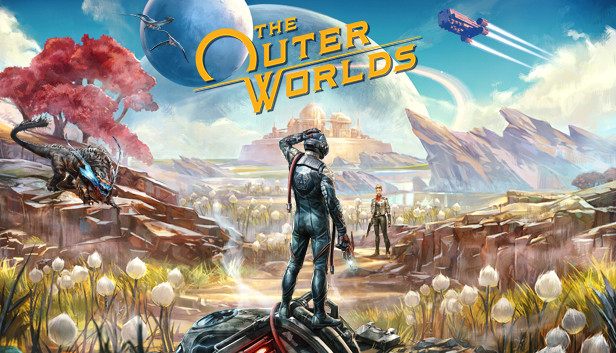
Real-time combat trades that for immediacy and adrenaline. It is about reflexes, momentum, and the visceral feel of a fight unfolding around you. Cain’s own later work, including The Outer Worlds, leans into that responsiveness. Neither system is objectively better — they simply chase different feelings, and a player who loves one may have zero interest in the other. That is fine. The genre is big enough for both.
Why the Loud Advocates Get It Wrong
The problem, as Cain frames it, is not the systems — it is the tribalism. The most vocal advocates on each side treat their preference as a verdict on the whole genre, and that noise pressures studios into false choices. A developer chasing the “winning” combat style is optimizing for an argument on social media, not for the game they actually want to make.
That pressure has real costs. Games get retrofitted with combat systems that do not fit their design, or shy away from bold choices to avoid a fan backlash. The healthier path is the one Cain points to: pick the system that serves your game, then execute it well. Players ultimately reward conviction and quality, not conformity to a trend — a lesson Bethesda knows well, even when its ambitions run bigger than a game can hold.
A Lesson Beyond the Combat Log
There is a broader principle in Cain’s measured stance, and it applies to any business built on creative products. The instinct to declare one approach universally superior is almost always a trap. Markets are not monoliths; they are collections of audiences who want different things. The company that tries to win an ideological war usually loses sight of the customers it is supposed to serve.
Cain has watched the RPG genre evolve for three decades, and his conclusion is the opposite of tribal: make room for both. That maturity — choosing “and” over “or” — is exactly the kind of thinking that keeps a creative field healthy instead of endlessly at war with itself.
The Bigger Picture
Tim Cain’s defense of both turn-based and real-time RPGs is not a fence-sitting dodge; it is a veteran designer refusing a false binary. The genre thrives precisely because it can hold slow tactical epics and fast action-RPGs at the same time. The advocates will keep shouting, but the smarter play — for developers and for anyone building something people love — is to serve the audience in front of you and let the rest of the argument burn itself out.