
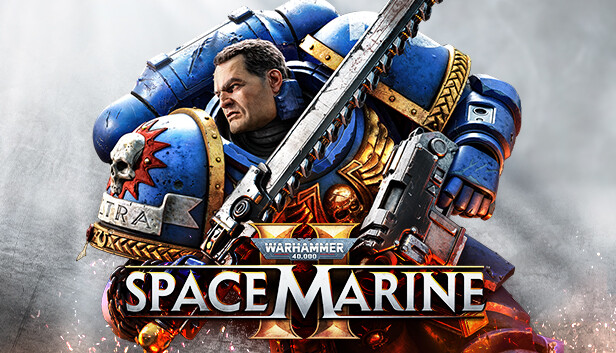
Saber Interactive has drawn a hard line in one of gaming’s loudest arguments: there will be no generative AI inside Warhammer 40,000: Space Marine 3. Speaking at Gamescom, chief creative officer Tim Willits put it about as plainly as a studio boss can: “There is absolutely no generative AI in Space Marine 3.” For a franchise whose fans obsess over craft, lore, and hand-built spectacle, that promise carries real weight — and for anyone watching the business of games, it shows how developers are trying to turn an AI backlash into a trust advantage.
The timing is no accident. “AI slop” has become a genuine purchasing objection over the past year, with players scrutinizing box art, voice work, and marketing for signs a machine did the job a human used to. By saying the quiet part out loud before launch, Saber is trying to close that conversation down before it can dog the game.
Why Saber Is Keeping the Machine Spirits Quiet
Space Marine 2 was one of the studio’s biggest wins, a bombastic, crowd-pleasing shooter that sold on the strength of its handcrafted carnage. A sequel built on generative shortcuts would undercut exactly the thing that made the last game land. Willits’ promise reads as a defense of that identity: the swarms, the gore, the grimdark set dressing are meant to feel authored, not assembled.
There’s also a fanbase factor. Warhammer 40,000 players are among the most detail-obsessed in gaming, and the community has been quick to call out AI art wherever it appears. For a licensed 40K title, protecting that goodwill is as much a commercial decision as a creative one.
A Studio That Wants It Both Ways
The nuance is that Saber isn’t swearing off the technology entirely. The company has been willing to experiment with generative AI in smaller, lower-stakes projects, and that experimentation has already stirred controversy on the side. The message emerging from Gamescom is a split strategy: test the tools where the risk is low, but keep them nowhere near the flagship releases that carry the studio’s reputation.
That mirrors a wider industry pattern. Plenty of publishers are quietly trialing AI in prototyping and support roles while loudly promising it won’t touch their marquee games. Whether players accept that distinction — or treat any AI use as a red flag — is one of the defining questions for studios heading into 2027.
What the No-AI Promise Means for the 40K Business
For entrepreneurs and studio leaders, the interesting part is how Saber is using a negative claim as a positive marketing hook. “Made by humans” is quietly becoming a selling point, the way “no loot boxes” or “no always-online” once were. In a crowded release calendar, a credible craft guarantee can be a differentiator worth more than any feature bullet.
Space Marine 3 still has no release date, so Saber has plenty of runway to build that trust — and plenty of time for fans to hold it to this promise. If the studio delivers a game that visibly earns its “no generative AI” label, it won’t just protect the 40K brand; it’ll offer a template for how to market authenticity in an AI-soaked market.
Related on BizzNerd
- Saber Interactive Defends AI Dialog in Its New Driving Game
- DLSS 5 Leaked Into Games, and the AI Look Is Inescapable
- Total War: Warhammer 40,000 Wins Best PC Game at Gamescom 2026
Saber’s stance won’t end the AI debate, but it does stake out a clear position at a moment when many studios are still hedging. In a genre built on handmade excess, promising no shortcuts might be the smartest move on the board.