
Few endings in gaming history are as argued-over as the finale of Mass Effect 3. More than a decade after Commander Shepard’s story wrapped, players still can’t agree on which choice was the right one — and the fact that we’re still debating it says a lot about how much the trilogy meant to the people who played it. So let’s revisit the ending that launched a thousand forum threads: the choice, the backlash, and why it still matters.
The Choice at the End of the Galaxy
When Shepard reaches the Citadel’s climax, the game boils an epic, choice-driven trilogy down to a decision between a handful of options — famously colour-coded red, blue, and green for Destroy, Control, and Synthesis. Destroy wipes out the synthetic Reapers, potentially at a cost to other synthetic life. Control puts Shepard in command of them. Synthesis merges organic and machine life into something new. Each promised a different vision for the galaxy’s future, delivered in the final moments of a journey that spanned three games.
Why Players Revolted
The original 2012 ending triggered one of the loudest fan backlashes the medium has ever seen. The complaint wasn’t just that the endings were bleak — it was that after three games of choices supposedly shaping the universe, the conclusions felt nearly identical, separated mostly by the colour of an explosion. Fans who had carried save files across three titles felt their agency had been quietly erased at the finish line. The protest movement that followed even channelled its frustration into charity, turning anger into something more constructive.
BioWare responded with the Extended Cut, a free update that added epilogue scenes and context to soften the abruptness and better honour the player’s journey. It didn’t end the debate — nothing could — but it acknowledged the core grievance: an ending is a promise, and players felt the promise had been broken.
The Lesson the Industry Took With It
The Mass Effect 3 saga became a case study for every studio building a choice-driven epic since. It proved that when you sell players on consequence, the payoff has to deliver — and that a finale can undo years of goodwill in a single scene. Modern narrative games are far more careful about how they land their endings, and much of that caution traces back to Shepard’s last stand.
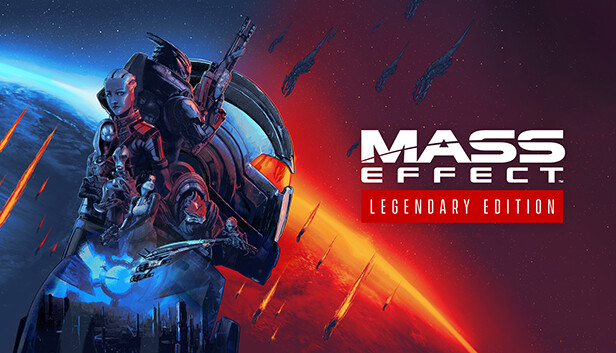
That’s also why the series endures. The Legendary Edition reintroduced the trilogy to a new generation, and the passion behind the ending debate is the same passion that keeps Mass Effect near the top of every “greatest RPG” list. You don’t argue for a decade about a story you didn’t care about.
Related on BizzNerd
- Why Mass Effect Remains One of the Greatest Sci-Fi RPG Games Ever
- Mass Effect Returns With the Remastered Legendary Edition
- Why Mass Effect: Andromeda Would Make a Great VR Game
So which way did you go — Destroy, Control, or Synthesis? Whatever your answer, the fact that you still have one is the truest measure of what Mass Effect 3 got right, even in the moment fans loved to hate.