
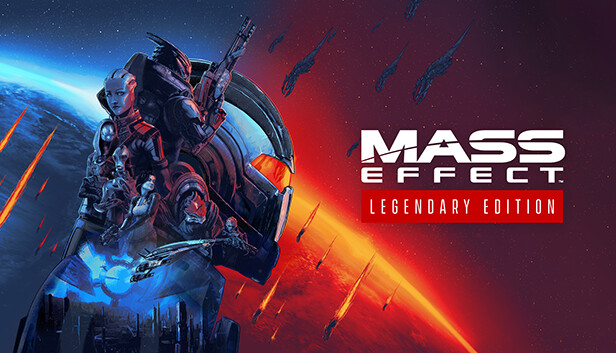
Few moments in gaming still start arguments the way the Mass Effect 3 ending does. Years after Commander Shepard’s story wrapped, players still line up behind red, blue, or green like it’s a political party. The final choice — Destroy, Control, or Synthesis — asked players to decide the fate of an entire galaxy in a matter of seconds, and that weight never fully lifted. For anyone who has poured dozens of hours into a save file, revisiting that decision is less nostalgia and more an old wound that never quite closed.
The reason the debate matters beyond fandom is simple: this was the moment a blockbuster RPG bet everything on player agency, then delivered a finale that felt, to many, like the choices barely mattered. That tension is exactly why the conversation refuses to die.
A Galaxy’s Fate, Boiled Down to Three Colors
By the time the credits loomed, Shepard’s options had been distilled into a color-coded triangle. Destroy (red) wiped out the synthetic threat but took allied synthetic life with it. Control (blue) handed Shepard command over the very enemy that had hunted humanity. Synthesis (green) merged organic and machine life into something new. A fourth path — refusal — let the cycle continue, a bleak act of defiance for players who rejected the premise entirely.
Reducing a sprawling space opera to a three-way color pick was always going to feel reductive. That is part of why the studio later shipped an Extended Cut that added context, epilogues, and breathing room. The core choice stayed the same, but the framing softened the sense that a hundred hours of decisions had funneled into one glowing beam.
Why the Red-Blue-Green Choice Still Divides Players
Ask ten fans and you’ll get ten justifications. Destroy loyalists argue it’s the only ending true to Shepard’s original mission. Control players are drawn to the idea of turning the galaxy’s greatest weapon into a shield. Synthesis fans see a genuinely new future rather than a reset button. Each camp is convinced the others missed the point — which is exactly what a great moral dilemma should do.
The Mass Effect trilogy earned its reputation by making relationships and consequences feel personal. So when the ending seemed to flatten all of that into a single palette, the disappointment hit harder precisely because expectations were sky-high. You don’t get this angry about a series you didn’t love.
What Shepard’s Ending Taught the Games Industry
For entrepreneurs and creators watching from the sidelines, the Mass Effect 3 saga is a masterclass in managing audience expectations. The backlash pushed the studio to respond publicly and patch the experience — a rare admission that a finished product needed more. It reset how big studios think about launch-day endings, live feedback, and the promise that “choices matter.”
It also proved something valuable: a passionate community is an asset, not a liability. The same fans who filled forums with complaints were the ones who cared enough to keep the franchise culturally alive for a decade. That kind of engagement is what every brand, game or otherwise, is chasing.
Related on BizzNerd
- Why Mass Effect Remains One of the Greatest Sci-Fi RPG Games Ever
- Mass Effect Returns With a Remastered Legendary Edition
- Why Mass Effect: Andromeda Would Make a Great VR Game
The Choice That Never Really Ends
Maybe that’s the real legacy of the Mass Effect 3 ending: it made millions of players feel personally responsible for a galaxy, then trusted them to live with the fallout. Red, blue, or green, the point was never the color — it was that the decision stuck with you long after the screen went dark. So, which way did you go when the galaxy was on the line?