
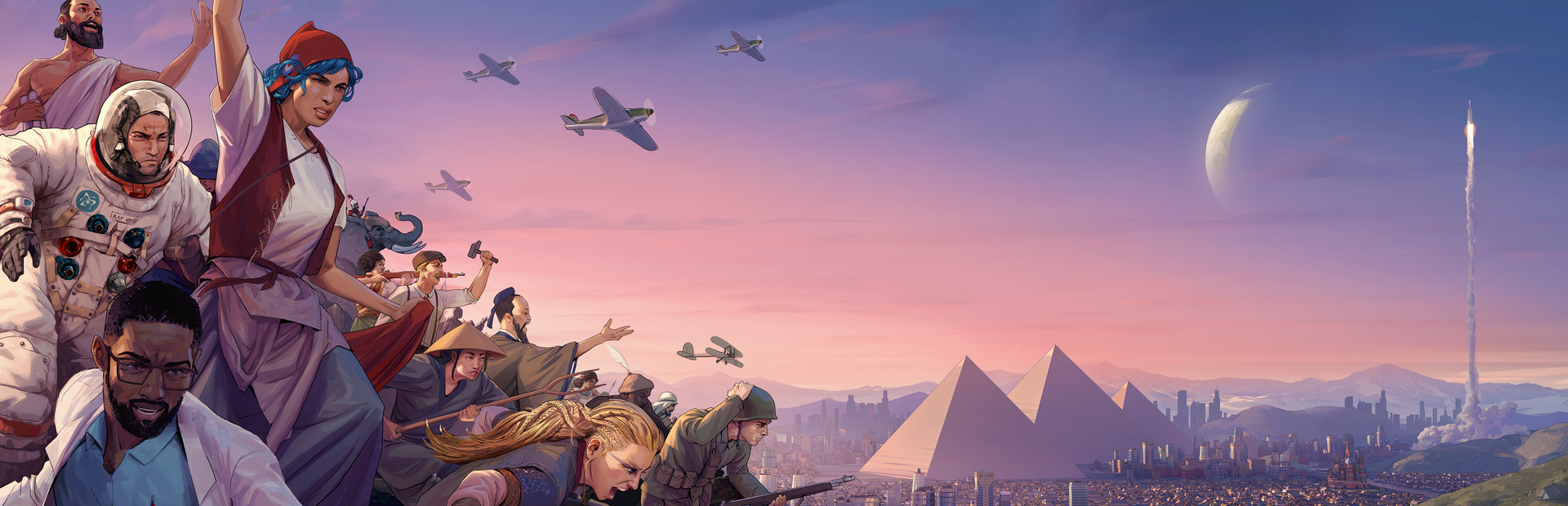
The reveal trailer for Humankind 2 was supposed to sell a grand vision of civilization across the ages. Instead, it kicked off an argument about artificial intelligence. Within hours of release, a wave of viewers labelled the uncanny, infant’s-eye-view footage “AI slop” — the internet’s shorthand for cheap, machine-generated filler. Developer Amplitude Studios pushed back hard, insisting the spot was built with “real actors, practical sets, and custom-made props.” For anyone who markets a product in 2026, the flare-up is a lesson worth studying.
What makes this story matter beyond the strategy-game crowd is the speed of the accusation. A sequel to a well-reviewed 4X title got dragged not for its gameplay, but for the vibe of its marketing. That is a new kind of reputational risk, and it lands on studios and brands alike.
Why the Trailer Triggered the AI Alarm
The trailer leans on a deliberately strange conceit: the perspective of infants drifting through space and time as human history unfolds around them. Dreamlike, soft-focus, slightly off — exactly the aesthetic that has become associated with generative video tools. When audiences see warped faces, melting backgrounds, or an uncanny smoothness, their first instinct now is to assume a machine made it. Amplitude’s artistic swing for something surreal collided head-on with a public trained to sniff out synthetic media.
That instinct is not irrational. Gamers have spent two years watching publishers quietly slip AI-generated art and voice work into finished products, then walk it back after backlash. The trust deficit is real, and it means any ambiguous image is now guilty until proven human.
Amplitude’s Rebuttal and the Authenticity Premium
The studio’s response was specific on purpose. Naming “real actors, practical sets, and custom-made props” is a bid to reclaim craft credibility — a signal that money and human effort went into the shoot. In a market where “we didn’t use AI” is becoming a selling point, that transparency is smart. It also shows how the burden of proof has flipped: creators now have to actively certify their work is human-made, the way food brands certify ingredients.
We have seen this pattern reward studios before. When developers listen and visibly remove machine-made assets, communities tend to soften fast — a dynamic on display when Crimson Desert stripped AI art from a major patch and won back goodwill. Owning the narrative early is far cheaper than fighting it later.
The Business Lesson for Every Brand, Not Just Game Studios
Strip away the strategy-game specifics and this is a marketing-risk case study. Audiences are now co-editors of your creative, and “looks AI” can tank a campaign regardless of how it was actually produced. For founders and marketers, three takeaways stand out: document your production process so you can prove authenticity on demand, pressure-test creative for the uncanny signals that read as synthetic, and respond within hours rather than days. A backlash left unanswered hardens into consensus — the same way an unaddressed patch controversy can fester before a studio reverses course and rebuilds trust.
The irony is that Amplitude may have made something genuinely handcrafted and still paid the AI tax simply because it looked unusual. That is the environment brands operate in now: perception moves faster than fact.
Related on BizzNerd
- Crimson Desert’s Patch Is a Masterclass in Listening to Players
- Diablo 4 Season of Death Patch Reverses the Backlash
- 6 Video Game Masterpieces Turning 10 in 2026
Humankind 2 still has to win on the strength of its systems, and it likely will find its audience among 4X faithful. But the trailer saga is the real headline for anyone building a brand: in 2026, you are not just selling a product — you are constantly proving it is real.