
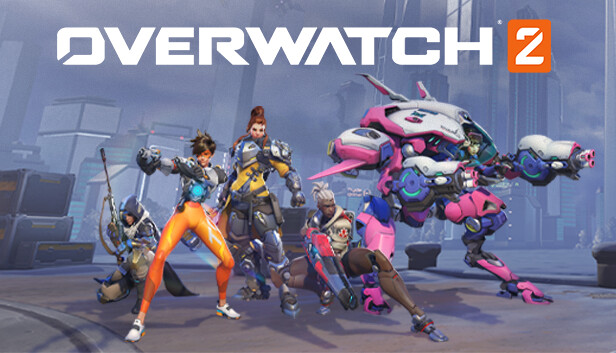
When one of Japan’s biggest pop acts writes an original song for a hero shooter, it stops being a routine content drop and becomes a cultural event. That is the real story behind the Yoasobi Overwatch collaboration, which the chart-dominating duo unpacked in a candid BlizzCon 2026 interview — talking through what it took to make music for the game and even naming the Overwatch characters they gravitate toward. For anyone trying to build an audience today, whether you run a studio, a startup, or a content brand, this partnership is a sharp lesson in how games now fight for attention far outside their own player base.
A Pop Powerhouse Steps Into a Hero Shooter
Yoasobi is not a niche pick. The duo — producer Ayase and vocalist Ikura — turned story-driven J-Pop into a global export, racking up billions of streams and a fanbase that stretches well beyond Japan. Handing that kind of act the keys to write for Overwatch is a statement of intent from Blizzard: this is about reaching listeners who may never have touched the game.
In the interview, the pair spoke about the creative challenge of scoring a song to a living, competitive world rather than a film or a standalone single. Writing for Overwatch means writing for characters, tempo, and a fandom that already has strong opinions — a very different brief from topping the domestic charts. That tension, between artistic identity and a franchise’s established tone, is exactly what makes these crossovers interesting to watch.
Why Blizzard Is Betting on Music, Not Just Maps
Look at this through a business lens and the logic is obvious. Overwatch has spent the past year wrestling with engagement and monetization questions, from the way its flashiest cosmetics get concentrated on a handful of heroes to the steady churn of new heroes and reworks meant to keep the meta fresh. A marquee music collaboration is a different growth lever entirely — it pulls lapsed players back, gives active ones a reason to log in, and earns the game headlines in entertainment media that rarely cover balance patches.
It also fits a proven playbook. Fortnite turned itself into a concert venue; League of Legends built a genuine music franchise out of its virtual acts. The pattern is clear: the biggest live-service games increasingly behave like media platforms, and licensed or original music is one of the cheapest ways to buy cultural relevance. For Blizzard, tapping a Japanese superstar duo is also a targeted play for the Asian market, where Overwatch’s audience is both large and fiercely engaged.
The Fandom Signal Behind Naming Their Mains
The most telling moment was not the song itself but the duo’s willingness to talk about the heroes they actually like. That detail matters more than it looks. Audiences have grown allergic to bolt-on brand deals that treat a game as a billboard, and they can smell a cash grab instantly. When the artists can speak the language of the fandom, the collaboration reads as participation rather than product placement — and that authenticity is what converts a stunt into loyalty.
It is the same dynamic that separates memorable music-and-gaming projects from forgettable ones. Titles that treat music as a core creative pillar, the way rhythm games built around real creator culture do, tend to earn a devoted following precisely because the enthusiasm is real. Blizzard clearly understands that a credible partner buys more goodwill than a famous one.
Related on BizzNerd
- Overwatch 2’s New Vampire Hero Doctrine Arrives With Big Reworks
- Overwatch Skins Problem: Blizzard Vows to Spread the Love
- Hololive Dreams: Why This Rhythm Game Nails Authenticity
The Takeaway for Brands and Players
Expect a lot more of this. As attention gets harder to win, the smartest franchises will keep reaching for artists, not just algorithms, to stay in the conversation — and the ones that pick partners with genuine buy-in will get the most out of it. For Overwatch, a high-profile Yoasobi collaboration is a momentum play at a moment when momentum is exactly what the game needs. For everyone else building a brand, the lesson is simpler: cultural relevance is now something you collaborate your way into, and authenticity is the price of admission.