
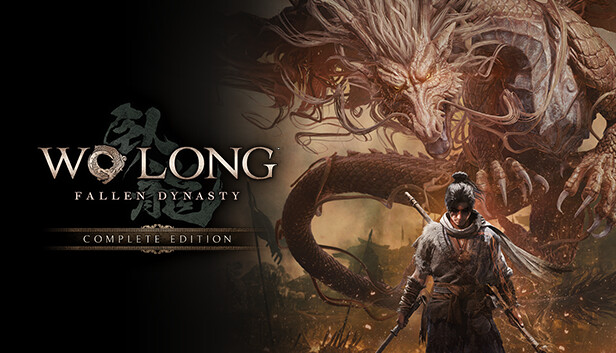
Wo Long 2: Wings of Ember is shaping up to be the game that finally pushes Team Ninja out of cult-favorite status and into the mainstream action conversation. The original Wo Long: Fallen Dynasty was an overlooked gem — fast, punishing, and built around a deflection system that rewarded nerve over patience. Early preview impressions of the sequel suggest the studio hasn’t just iterated; it has distilled two decades of combat design from Nioh, Ninja Gaiden, and Dead or Alive into one razor-sharp package. For anyone who tracks where the action-RPG market is heading, this is a release worth watching.
A Deflection-First Combat System, Refined to a Knife’s Edge
The heart of Wo Long has always been its parry. Nearly every attack in the game can be deflected, turning combat into a high-speed rhythm of risk and reward rather than a war of attrition. Wings of Ember doubles down on that identity. The sequel tightens the timing windows, adds new martial-arts options, and expands the morale system that made the first game’s exploration so compelling — the more you push forward and win fights, the stronger you become, and the more devastating a single death feels. It is the kind of momentum loop that turns a hard game into an addictive one. Fans of the studio’s earlier work will recognize the DNA immediately, but the pace here feels faster and more deliberate at the same time.
Why Team Ninja’s Timing Matters for the Action-RPG Market
The soulslike space has exploded from a niche curiosity into one of the most reliable genres in gaming, and competition is fierce. A sharp, confident Wo Long 2 lands Team Ninja squarely in a crowded field alongside a wave of ambitious challengers — from the Italian-owned Chinese soulslike Wuchang: Fallen Feathers to bold newcomers like Beast of Reincarnation. For Koei Tecmo, a breakout sequel is a chance to convert Wo Long’s respectable-but-modest audience into a franchise that can go toe-to-toe with the genre’s biggest names. The business logic is simple: sequels to well-reviewed action games carry far lower marketing risk than new IP, and a loyal, vocal fanbase is exactly the kind of built-in audience publishers covet in an expensive market.
The Bigger Picture: Craft Is Becoming a Competitive Moat
Step back, and Wo Long 2 fits a pattern that entrepreneurs and studio heads should be paying attention to. As AAA budgets balloon and live-service experiments keep collapsing, the studios that thrive are the ones with a signature — a mechanical identity so distinct that no competitor can copy it cheaply. Team Ninja’s deflection combat is a moat. It took years to perfect, it is instantly recognizable, and it keeps players coming back for the feel as much as the content. That kind of hard-won craft is difficult to replicate and impossible to fake, which is exactly why it commands premium pricing and durable loyalty. In a landscape crowded with disposable releases, the samurai-sharp precision on display in Wings of Ember is the whole business case.
Wo Long 2: Wings of Ember still has to stick the landing when it ships across PC, PlayStation, Xbox, and Switch 2, but the early signs are extremely promising. Team Ninja looks like a studio operating at the peak of its powers — and if the full game delivers on the preview’s promise, it won’t just be a great sequel. It will be the moment Team Ninja graduates to the front rank of action developers.