
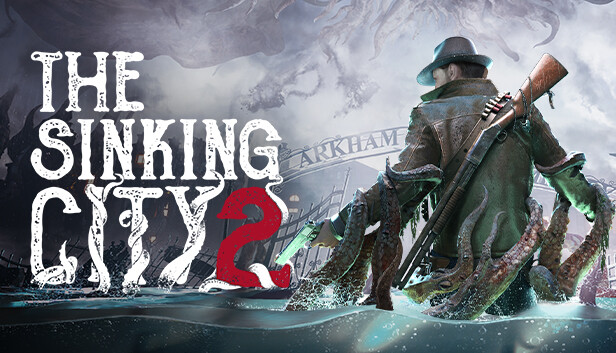
The Sinking City 2 arrives with a rare kind of confidence: instead of chasing more features, it sharpens the ones that mattered. Frogwares’ Lovecraftian sequel doubles down on the basics — atmosphere, investigation, and survival horror pressure — and the result is a tighter, scarier game than its predecessor. For anyone who bounced off the original’s rough edges, this is the version that finally delivers on the promise of a detective drowning in cosmic dread.
That focus is the story here. In a market flooded with open worlds that sprawl until they lose their shape, a sequel that trims fat and commits to a mood is worth paying attention to — both as a horror fan and as anyone who cares about how creative products get better.
A Deeper, Darker Sense of Place
The first game dropped you into flooded Oakmont with a strong atmosphere but uneven execution. The sequel keeps the waterlogged, half-mad New England setting and pushes the dread further. Streets feel more claustrophobic, interiors more oppressive, and the ever-present threat of the water gives every dark doorway weight. The horror is environmental as much as it is monstrous — the town itself feels like it is watching you.
Frogwares has always been strong on mood, and here the studio leans into it. The lighting, sound design, and pacing work together to keep you tense rather than jump-scared. It is slow-burn horror that trusts its own atmosphere, closer in spirit to survival classics than to the action-heavy games that dominate the genre’s mainstream. Fans of Lovecraftian dread will recognize the DNA that runs through games like The Mound: Omen of Cthulhu.
Combat and Survival That Finally Bite
The original’s biggest weakness was its combat — stiff, awkward, and forgettable. The sequel fixes that. Encounters are tenser, ammo and resources feel genuinely scarce, and the survival layer forces you to think before you fight. Running is often smarter than shooting, and that shift changes the entire rhythm of the game for the better.
The investigation loop — piecing together clues, cross-referencing evidence, and drawing your own conclusions — remains the heart of the experience, and it is smarter this time. The game respects your intelligence, rarely holding your hand, which makes each solved case feel earned. Combat and detective work now pull in the same direction instead of fighting each other, and that coherence is what elevates the sequel.
Why a Focused Sequel Beats a Bloated One
There is a business lesson buried in The Sinking City 2. Frogwares is a mid-sized studio with a checkered past and limited resources, and rather than overreach, it identified what worked and doubled down. That discipline — improve the core, cut the noise — is exactly how smaller players compete against bloated blockbusters. It is the same instinct that separates a sharp indie hit from a padded triple-A release that forgets what it is about.
For players, that focus pays off as a game that respects your time. There is no filler map to clear or hundred-hour checklist to grind. The horror lands because the experience stays lean and intentional — a reminder that in games, as in most products, doing fewer things well usually beats doing everything poorly.
The Verdict
The Sinking City 2 is the sequel the original deserved: atmospheric, tense, and finally mechanically sound. It will not convert players who dislike slow-burn horror, but for fans of investigative dread and survival tension, it is an easy recommendation. This is a studio that learned from its mistakes and delivered a genuinely improved follow-up — and that alone makes it one of the more satisfying horror releases of the year.