
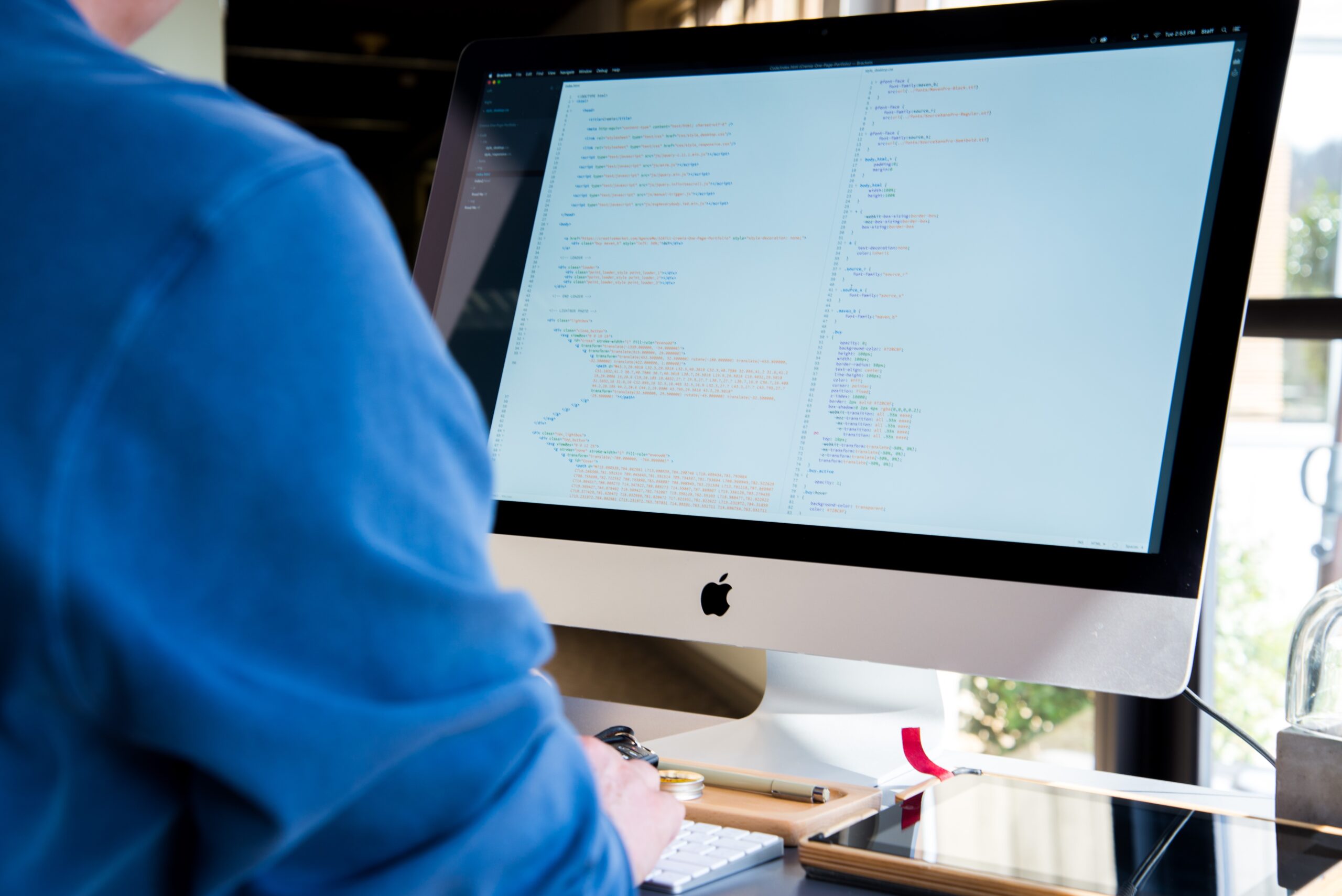
Whether introducing a new iMac, MacBook, iPhone, or processor generation, each announcement creates excitement among consumers and often influences activity in the second-hand technology market. For owners considering upgrading their equipment, timing can play an important role in determining how much value they receive when selling an existing device.
Many people focus on the specifications and features of upcoming products, but fewer consider how those launches affect the resale market. Understanding the relationship between new releases and second-hand values can help owners make more informed decisions about when to upgrade and when to part with their current devices.
While there is no perfect formula that guarantees the highest possible resale value, certain patterns tend to appear whenever Apple introduces significant hardware updates.
Why New Product Announcements Affect Resale Values
Technology naturally depreciates over time, but major product launches can accelerate that process. When Apple unveils a new iMac with improved performance, updated features, or a redesigned form factor, attention shifts towards the latest generation.
As demand increases for the new model, interest in older devices can begin to soften. Buyers who may have been considering a previous-generation machine often decide to wait and compare options before making a purchase.
At the same time, many existing owners choose to upgrade. This creates an increase in the number of older devices entering the second-hand market.
Whenever supply rises and buyer attention becomes divided, resale values can come under pressure. This is one reason why timing matters.
The impact varies depending on the scale of the announcement. Minor upgrades may have only a limited effect on existing values, while major redesigns or significant performance improvements can influence the market more noticeably.
Apple’s transition to Apple Silicon provides a good example. The introduction of new processor architectures changed buying behaviour and increased interest in certain generations while reducing demand for others.
Understanding how buyers respond to major technology shifts can help owners anticipate potential changes in resale values.
The Advantages of Selling Before a Launch
One argument in favour of selling before a major announcement is certainty. Prior to a launch, the market is operating with known information. Buyers understand the existing product range and are evaluating devices based on currently available alternatives.
Once new hardware is announced, market conditions can change rapidly.
Owners who choose to sell beforehand may avoid the uncertainty associated with pricing adjustments that sometimes occur after new products are revealed. They also benefit from avoiding the increase in competing listings that often appears when large numbers of users decide to upgrade simultaneously.
Another advantage is that buyers looking for current-generation equipment may be more willing to complete purchases before new products arrive.
Around the period leading up to major Apple events, many experienced sellers begin monitoring market activity carefully. It is often during this phase that people decide whether to upgrade immediately or sell Mac hardware while buyer demand remains focused on existing models.
Of course, this approach is not always the correct choice. Much depends on the specific product, market conditions, and the nature of the upcoming announcement.
Situations Where Waiting May Make Sense
Selling before a launch is not universally beneficial. In some cases, the expected improvements in a new product may be relatively modest. If the new model offers only incremental changes, older devices may retain their appeal and continue attracting strong demand.
Pricing also matters. If newly released hardware enters the market at a significantly higher price point, many buyers may continue seeking previous-generation systems as a more affordable alternative.
This can help support demand for existing devices even after the launch has taken place.
There are also occasions when uncertainty before a launch causes buyers to delay purchasing decisions. Once specifications and pricing become public knowledge, confidence can return to the market and transaction activity may increase.
For sellers, this means that timing decisions should not be based solely on the existence of an upcoming launch. The nature of the product update itself is equally important.
Understanding the Refurbished Market
The refurbished market often behaves differently from the new technology market. Buyers looking for refurbished devices are frequently motivated by value rather than simply obtaining the latest specifications.
As a result, many previous-generation iMacs remain highly desirable long after newer models have been released. Strong build quality, reliable performance, and Apple’s reputation for longevity all contribute to ongoing demand.
This is particularly true for models that continue receiving software support and offer performance levels suitable for everyday workloads.
Refurbished buyers often evaluate computers based on practical considerations rather than launch cycles alone. Display quality, storage capacity, memory configuration, and overall condition can all influence value.
For this reason, maintaining a device carefully can sometimes have as much impact on resale value as timing the sale itself.
Making an Informed Decision
There is no single answer to whether an iMac should be sold before a new Apple launch. The best approach depends on the specific device, expected product updates, current market conditions, and personal upgrade plans.
However, understanding how launches influence buyer behaviour can help owners make more informed decisions. Major announcements often increase competition within the second-hand market and may affect pricing as supply grows.
By monitoring upcoming releases and evaluating market trends, sellers can identify opportunities to maximise value while avoiding unnecessary delays.
Ultimately, successful timing is about balancing certainty with opportunity. Whether selling before or after a launch, informed decisions tend to produce the best outcomes. As Apple’s product roadmap continues to evolve, understanding the relationship between new releases and the refurbished market will remain an important consideration for anyone planning their next upgrade.