
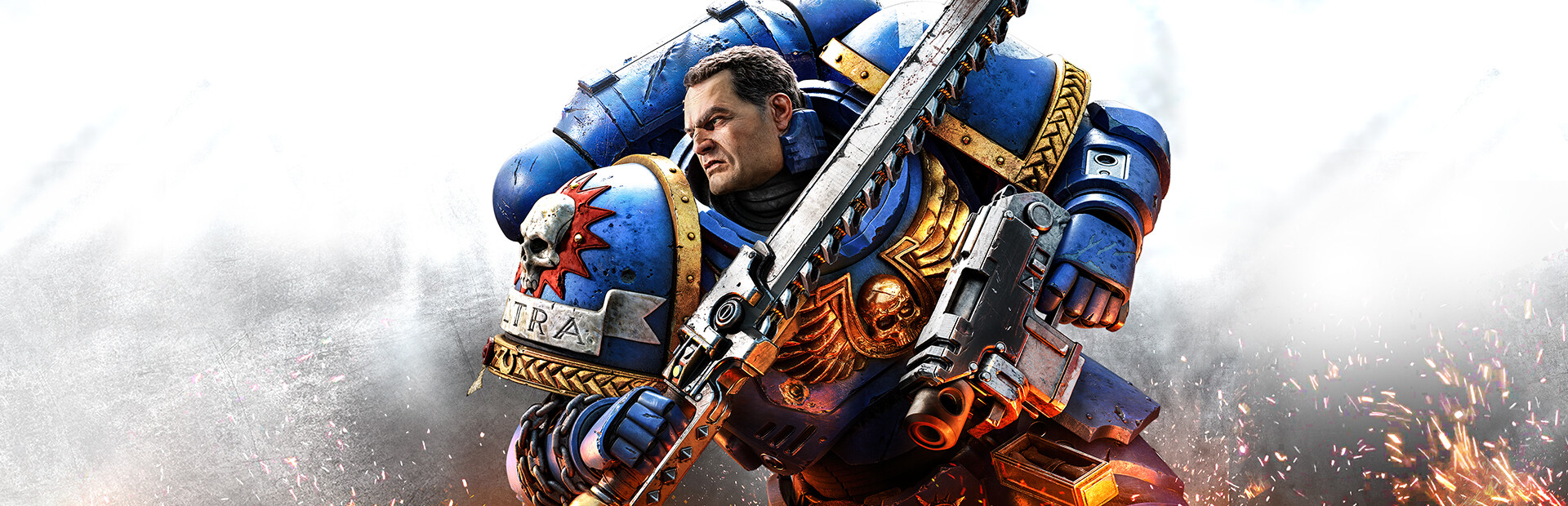
Saber Interactive still lists a Fort Lauderdale, Florida address as its headquarters, but almost none of its actual game-making happens in the United States anymore. Chief Creative Officer Tim Willits recently put it bluntly: the company has “no real development in North America anymore.” For a studio behind hits like SnowRunner and Warhammer 40,000: Space Marine 2, that is a striking admission, and it is a business story every founder building a distributed team should pay attention to. Saber has effectively turned itself into a globally networked development shop, and its own numbers explain exactly why.
The Cost Math That Pushed Development Overseas
Willits framed the shift as a straightforward budget decision, not an ideological one. He noted that a typical North American AAA studio now burns through roughly $2 million or more per month just to keep the lights on and the staff paid. That overhead adds up fast on a multi-year project, long before a game generates a dollar of revenue.
Compare that to SnowRunner, Saber’s off-road trucking simulator, which cost about $6 million to make and has since pulled in hundreds of millions of dollars. Willits also pointed to Space Marine 2, which reportedly cost roughly a third of what a comparable big-budget shooter spent, yet outsold that unnamed competitor by an estimated 11 million copies. For Saber, the lesson is not subtle: lower burn rate does not have to mean a lower-quality game, and in some cases it correlates with a better one.
A US Address With a Worldwide Studio Network
Saber’s actual production work is spread across roughly a dozen studios in countries including Serbia, Armenia, Georgia, Spain, Portugal, Sweden, Argentina, and Australia. That is where the programming, art, and core development now live. The company still owns New World Interactive, which keeps offices in Denver and Calgary, so North America is not entirely off the map. But Willits’s point is that the bulk of meaningful, ongoing game production has moved elsewhere, leaving the US side closer to a leadership, publishing, and business-operations hub.
This structure did not happen overnight. Saber spent years as part of Embracer Group before splitting off in 2024, when co-founder Matthew Karch’s investment company, Beacon Interactive, bought the studio network in a roughly $247 million deal. Since then, Saber has operated as an independent, privately controlled company free to run its studio footprint however its leadership sees fit, and Willits’s comments suggest that footprint keeps tilting further away from North American payrolls.
What Founders Should Take From Saber’s Playbook
Saber is not an outlier so much as a loud example of where the games industry has already been heading. Distributed, remote-first studio networks let publishers tap skilled developers in lower-cost markets, avoid the salary inflation of major North American tech hubs, and staff up or down by region as a project’s needs change. For a founder in any industry, that is a familiar playbook: hire where the talent-to-cost ratio works best, and treat headquarters as a legal and strategic address rather than the place where the actual work happens.
The trade-offs are real, though. Coordinating a dozen studios across a dozen time zones adds management overhead and communication friction that a single co-located team never has to deal with. Quality control gets harder when creative leads and hands-on developers are rarely in the same room. And concentrating so much production capacity in specific regions creates its own risk if local labor markets shift, currencies swing, or political conditions change. Saber’s bet is that the cost savings and creative flexibility outweigh those risks, at least for the kinds of mid-budget, high-volume games it specializes in.
The Bigger Picture
Saber Interactive’s comments are a rare moment of candor from an industry that usually keeps its cost structure private. A profitable, hit-making publisher is saying openly that it no longer needs North American development teams to make North American-caliber games. That is a signal worth watching, both for other studios weighing where to build their next project and for any business owner deciding whether their next hire needs to sit down the hall or simply needs to be good at the job.