
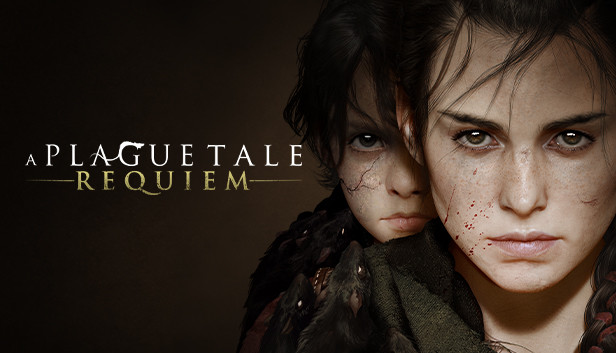
Any studio brave enough to put “Legacy” in a title is picking a fight with its own history, and this Resonance: A Plague Tale Legacy review starts there. Asobo Studio’s mythic prequel doesn’t carry the budget of a Sony or Microsoft blockbuster, and yet it delivers some of the most striking faces and landscapes you’ll see all year. For anyone who builds things for a living, that gap between resources and results is the real story here — this is a mid-budget team punching several weight classes above its spend, and mostly landing the hit.
Set generations before the plague-ravaged France of the earlier games, the story follows Sophia on a journey to a cursed Mediterranean island where myth and history bleed together. It’s a smaller, sharper story than a sprawling open world, and that focus is exactly why it works.
A Prequel That Trades Scale for Craft
The smartest business decision Asobo made was refusing to chase the megapublisher template. Instead of padding the runtime with busywork, Resonance keeps its scope tight: linear enough to stay tense, open enough to let you breathe. The result is a game that respects your time — a rare and increasingly valuable trait in an industry addicted to bloat. Every location feels hand-placed rather than procedurally stretched, and the pacing rarely sags.
That discipline pays off in atmosphere. Sun-bleached ruins, torch-lit caverns, and storm-lashed coastlines are rendered with a level of art direction that shames games costing three times as much. If you want a case study in how creative constraints sharpen a product rather than weaken it, this is it.
Combat, Stealth, and the Weight of Every Choice
Moment-to-moment play blends stealth, light puzzle-solving, and desperate melee scrambles. You are rarely powerful, and the game leans into that vulnerability. Encounters ask you to read a space, weigh your limited tools, and commit — a loop that turns simple confrontations into small, sweaty negotiations with your own nerves. When it clicks, it’s genuinely gripping.
It isn’t flawless. Enemy AI occasionally forgets you exist, and a few set-pieces telegraph their solutions too plainly. But the friction is intentional more often than not, and the difficulty curve respects players who prefer tension over power fantasy. This is a game about surviving, not steamrolling.
Why This “Double-A” Bet Matters for the Industry
The bigger picture is what makes Resonance worth watching for founders and creators, not just fans. As blockbuster budgets balloon and studios shed staff to de-risk, mid-budget games like this one prove there’s still a viable lane between indie and triple-A. It’s the same lesson startups relearn constantly: a focused product with a clear point of view can outperform a bloated one chasing everyone at once.
Launching across PC, PlayStation 5, and Xbox Series X/S, Resonance also spreads its bet wisely, meeting players wherever they already are. That multi-platform reach, paired with a self-contained story, makes it an easy entry point for newcomers and a satisfying deepening of the lore for veterans.
The Verdict
Resonance: A Plague Tale Legacy is a confident, atmospheric prequel that turns modest means into a memorable adventure. It won’t dethrone the year’s biggest spectacles, and it doesn’t try to. What it offers instead is craft, restraint, and a story that lingers — proof that in games, as in business, knowing exactly what you are is worth more than trying to be everything.