
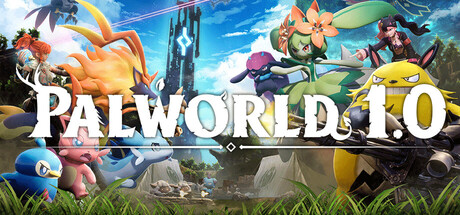
Every gold rush breeds copycats, and gaming’s monster-collector boom is no exception. When a Palworld-inspired title called Pickmos got pulled from Steam after its own publisher publicly stepped in to take control of development, it wasn’t just an awkward moment for one small studio. It was a live case study in what happens when a business builds its entire product around imitation instead of originality — and why founders in any industry should be paying attention.
For gamers, the story is a curiosity. For entrepreneurs and studio operators, it’s a cautionary tale about trend-chasing, intellectual property exposure, and what a publisher will actually do when a project becomes a liability instead of an asset.
The Clone Economy Steam Can’t Fully Police
Pickmos was developed by a studio called PocketGame and marketed as a creature-collecting survival game. The resemblance to Palworld and Pokémon wasn’t subtle — character designs echoed existing franchises so closely that critics accused the team of lifting from fan-made “Fakemon” concepts rather than building original creatures. Before the controversy peaked, the game had already been rebranded once, quietly shifting its name from “Pickmon” to “Pickmos,” a move that looked less like creative iteration and more like an attempt to dodge trademark scrutiny.
This is the uncomfortable reality of Steam’s current landscape. Survival-crafting and monster-collecting games are cheap to prototype and easy to market with a single striking screenshot, which makes the genre a magnet for studios chasing a proven formula rather than building a defensible one. Palworld’s runaway success created a template, and templates get copied fast. The Pickmos episode shows how far a clone can get before the backlash outruns the hype.
Publisher Accountability Enters the Chat
What makes this story genuinely notable isn’t the clone itself — it’s the publisher’s response. Networkgo, the company backing Pickmos, didn’t quietly distance itself or issue a vague statement. It confirmed it was directly supervising the development team going forward, describing the move as an intervention meant to get the game “into shape” before any re-release. PocketGame, for its part, said publicly that it was reworking the game to deliver what it called a controversy-free experience once it clears Networkgo’s approval.
That level of hands-on control is unusual. Publishers typically fund, market, and distribute; they rarely announce they are stepping into a developer’s day-to-day pipeline. It signals that Networkgo saw genuine brand and legal risk in letting Pickmos ship as-is, and chose reputational triage over a quiet cash grab. For any founder who has ever had to rein in a product team chasing short-term traction over long-term credibility, the parallel is obvious.
What This Means for the Next Wave of Indie Studios
The bigger takeaway is about Steam’s role as gatekeeper and what happens when it doesn’t act fast enough on its own. Storefront moderation is reactive by design — games get pulled after backlash, not before release. That leaves publishers, not platforms, as the last line of defense against derivative or IP-risky products, and increasingly, that’s where accountability is landing.
For studios and founders building anything in a crowded, trend-driven market, the lesson is straightforward: originality is a moat, not a nice-to-have. Shortcuts that mimic a competitor’s success can generate quick wishlist numbers, but they also invite the kind of scrutiny that can end a launch before it starts. Publishers are watching more closely now, and so are players.
Pickmos may eventually return to Steam in a cleaned-up form. Whether players trust it at that point is a separate question — and one every founder chasing a hot category should be asking about their own product long before launch day.