
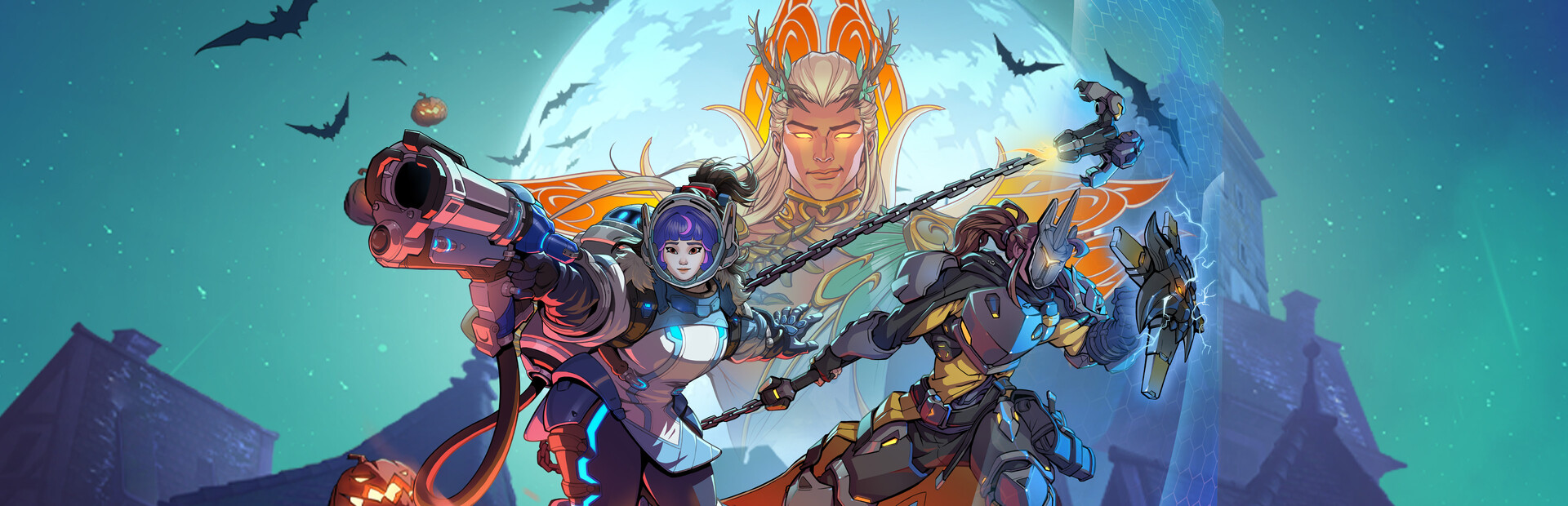
Overwatch skins have become a quiet flashpoint between Blizzard and its most dedicated players, and the studio just admitted the critics have a point. The team behind the hero shooter says it knows fans are tired of watching the flashiest cosmetics land on the same handful of characters over and over, and fixing that imbalance is now, in its own words, the “number one” thing it wants to solve next.
For anyone who plays a hero that never seems to get the good stuff, that acknowledgement matters. Cosmetics are the engine that funds a free-to-play shooter, so who gets the best ones is not a trivial art question — it is a business decision that shapes how valued each part of the player base feels.
Why the Same Heroes Keep Getting the Best Skins
The frustration has been building for a while. Mythic skins — the top-tier, most elaborate cosmetics in the game — and headline collaboration outfits have a habit of going to already-popular picks like Kiriko, Genji, and Mercy, while fan favorites such as Lucio wait years for their moment. When the fanciest content clusters around a short list of heroes, everyone else’s roster feels like an afterthought.
Blizzard’s explanation is refreshingly honest: some characters are simply easier to reimagine in wild new outfits than others. A hero with a flexible silhouette gives artists more room to play, while trickier designs take more time to crack. That is a real production constraint, not an excuse — but players have heard “it’s complicated” often enough that patience is running thin.
What Blizzard Is Promising to Change
The commitment is that skin distribution across the roster is the next big problem on the whiteboard. As the art team builds more experience adapting outside looks and collaboration styles onto a wider range of heroes, it expects to finally serve the characters that have been sitting on the sidelines. Lucio, the studio hinted, has not been forgotten.
Turning that promise into a schedule is the hard part. Saying every hero deserves a marquee skin is easy; committing production time and artist hours to less obvious designs is what will actually move the needle. Players will judge this by what shows up in future battle passes and shop rotations, not by the reassurance itself.
The Business Case for Spreading Cosmetics Around
There is a smart commercial logic hiding inside this fairness debate. Every hero has a fan base, and every one of those fans is a potential buyer who currently has nothing worth their money. Concentrating premium skins on a few heroes leaves a lot of wallets closed. Spreading standout cosmetics across the roster is not charity — it is a way to unlock demand that is sitting there untapped.
It is also about trust, the one currency a live-service game cannot print more of. When players feel the shop is rigged toward a favored few, goodwill erodes and spending follows it down. A studio that visibly rewards loyalty to every hero builds the kind of long-term engagement that keeps a shooter healthy years after launch.
Related on BizzNerd
- Overwatch 2’s New Vampire Hero Doctrine Arrives With Big Reworks
- Overwatch 2 Season 2 Drops — Sierra’s Carpet-Bombing Ult Rewrites the Meta
- World of Warcraft: Forever Is Blizzard’s Classic+ Bet
The Bigger Picture
Blizzard naming skin fairness as its top priority is a small statement with big implications. It signals that the studio understands cosmetics are not just revenue — they are how players feel seen. If the team follows through and gives neglected heroes their overdue moment in the spotlight, it stands to win back goodwill and open new revenue at the same time. The promise is made; now the shop has to prove it.