
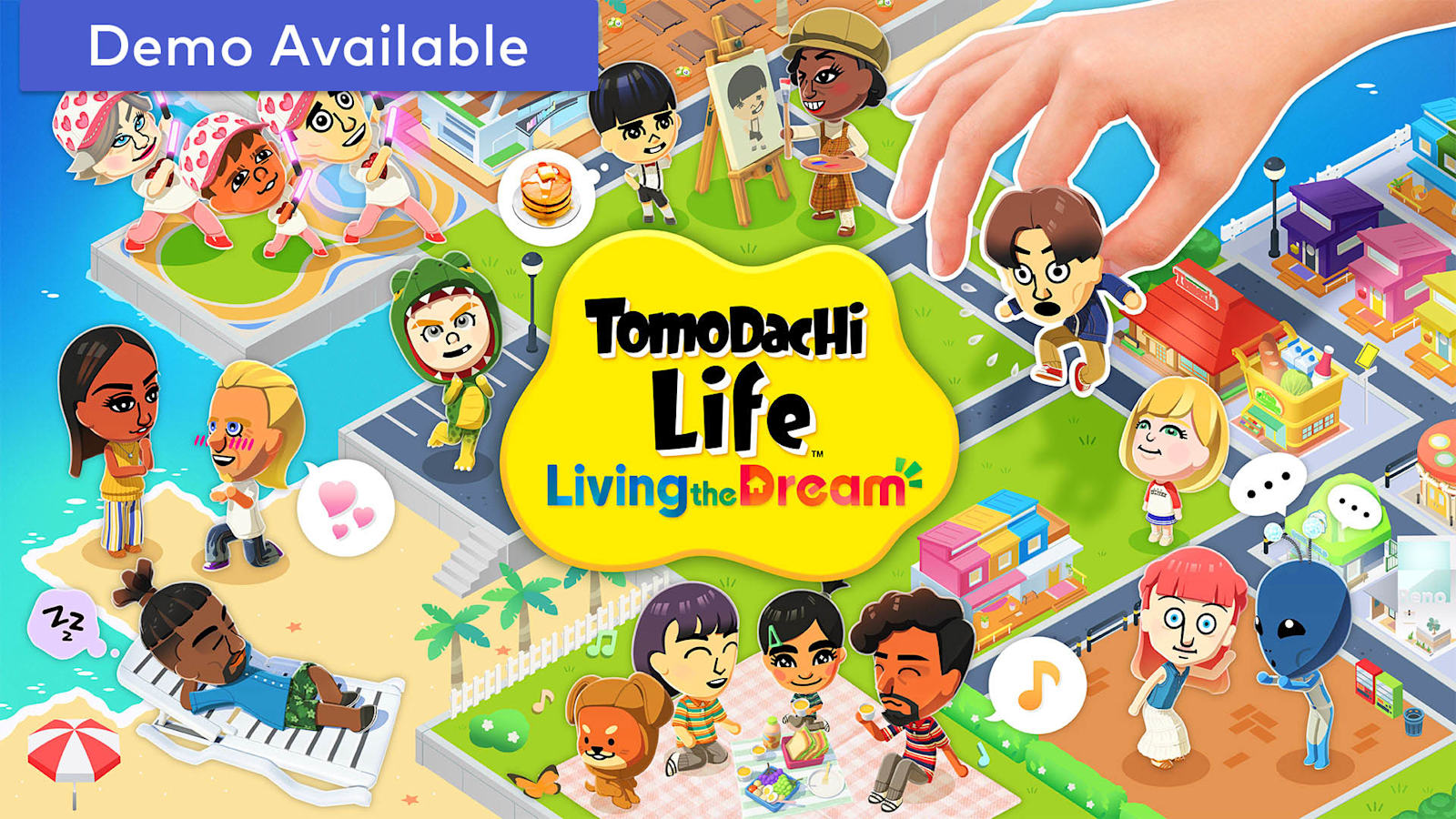
Seven days after launch, Tomodachi Life: Living the Dream is already bleeding mindshare. Players who preordered expecting a full Switch 2-era evolution of Nintendo’s cult life-sim are instead complaining the game feels paper-thin — and the backlash is spreading fast across Reddit, social platforms, and review aggregators.
What Happened
Game Rant reported this week that Tomodachi Life: Living the Dream, Nintendo’s long-awaited sequel to the 3DS cult hit, is underwhelming its own fanbase just a week into release. Communities that spent years campaigning for a sequel are now posting that the game runs out of meaningful content almost immediately — recycled events, shallow customization options, and a limited island size that doesn’t feel like a generational leap over the 2014 original. Nintendo marketed Living the Dream as a Switch 2 showcase for simulation players, with promises of deeper Mii interactions and richer storylines. Players say the loops flatten within the first few in-game days. The sentiment is loud enough that Game Rant called it a genuine risk to the franchise’s future, and Nintendo has not yet publicly addressed the complaints.
Industry Impact
This is an awkward moment for Nintendo. Living the Dream was supposed to validate the Switch 2’s capacity for deeper simulation-heavy experiences — a pillar Nintendo has leaned on to differentiate itself from Microsoft and Sony’s hardware-forward pitches. Instead it’s becoming the year’s first major first-party disappointment on the platform. The ripple effect matters commercially: Tomodachi is a gateway franchise for casual and younger players, and a weak Switch 2 entry blunts holiday attach-rate projections heading into Q3 and Q4 2026. Analysts will also watch whether this drags down Animal Crossing sequel expectations, since both franchises target the same demographic. For Nintendo, the realistic fix is a substantial post-launch content patch in the next 30 to 60 days. Anything slower risks losing the audience permanently to competing life-sim indies.
The Bigger Picture
Living the Dream’s stumble highlights a structural challenge for legacy first-party publishers: sequels to cult hits arrive with wildly inflated expectations, and thin content pipelines no longer pass player scrutiny. Indies — often solo developers — have raised the quality bar on life-sim systems so dramatically over the past five years that a Nintendo-badged release has to clear a much higher wall than it did a decade ago. Platform holders that treat legacy franchises as safe relaunches are going to keep getting punished for underinvesting. For tech and product-minded readers, the parallel to SaaS is direct: brand equity buys you a week of goodwill, and nothing after that. The market is too fluent in comparison shopping for a name to carry a weak product.
The Takeaway
Tomodachi Life: Living the Dream isn’t dead on arrival, but it’s starting the race a lap behind its own fanbase. Nintendo has a narrow window to course-correct before the goodwill that powered years of sequel demand evaporates entirely.
Reporting based on public industry coverage. Read the original article for full context.