
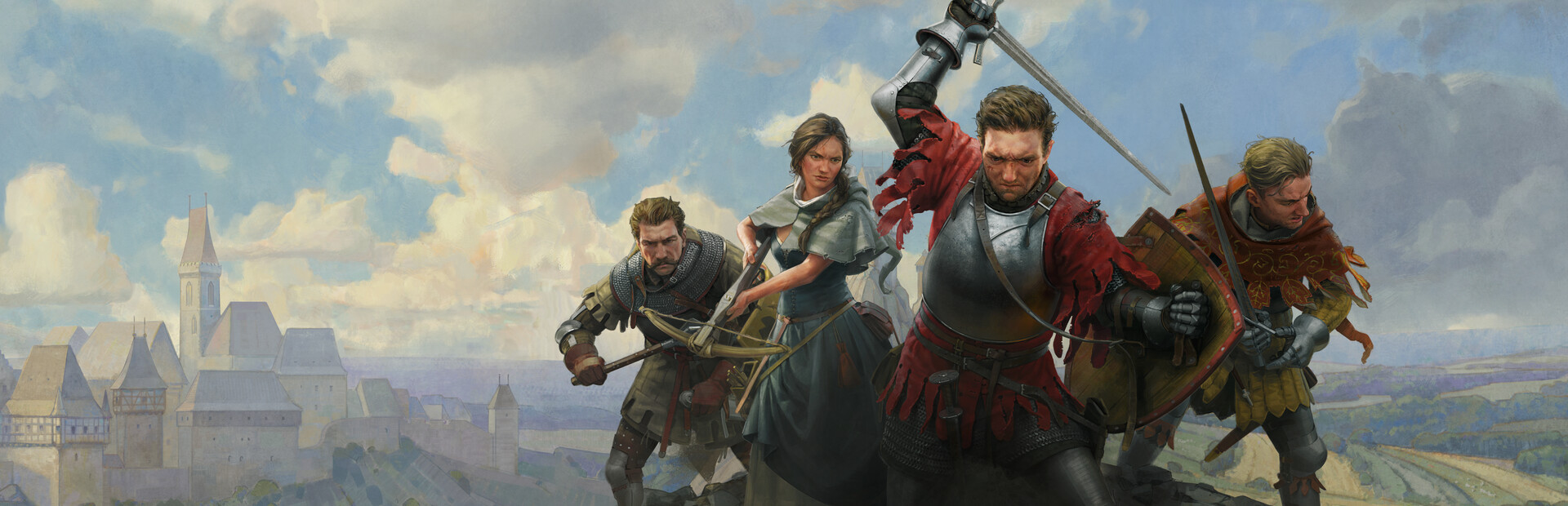
The co-founder of the studio behind Kingdom Come: Deliverance has thrown down a blunt challenge to the rest of the role-playing genre, arguing that a lot of modern RPGs are “still games for teenagers” and that he is “tired of all the RPGs where you are this chosen one.” For a developer who built two of the most grounded historical RPGs on the market, it is less a hot take than a mission statement — and a useful window into why Warhorse Studios keeps betting on realism over fantasy.
A Deliberate Shot at the “Chosen One” Formula
Warhorse Studios co-founder Daniel Vávra made his name by refusing the usual RPG power fantasy. Kingdom Come: Deliverance and its sequel drop players into 15th-century Bohemia as Henry, an ordinary blacksmith’s son who bleeds, starves, and fumbles his way toward competence. There is no magic, no prophecy, and no destiny waiting to be unlocked — just a messy medieval world that mostly does not care who you are.
That same conviction shows up everywhere the series touches the real world, and it is exactly what fuels Vávra’s frustration with the wider genre. When the central promise of a game is that you are secretly the most important person alive, the stakes can feel weightless. A story built around an everyman who has to earn every win, by contrast, forces players to sit with consequences. His comment reframes a familiar template as a crutch rather than a given.
Why He Name-Dropped Expedition 33
Vávra was quick to head off the obvious misreading, adding that “everybody’s going to think that I am hating on Expedition 33 right now, but that’s definitely not the case.” The clarification matters. Clair Obscur: Expedition 33 was one of the most celebrated RPGs of its release year, and singling it out would have turned a genre critique into a feud.
Instead, the point lands as a broader argument about ambition. A game can lean on fantastical premises and still say something adult about grief, memory, or sacrifice. What Vávra seems to be pushing back on is the lazy version — worlds where youthful wish-fulfilment stands in for mature themes. It is a distinction every studio chasing the “prestige RPG” label should probably be arguing about internally.
What This Signals for the Next Wave of RPGs
For entrepreneurs and studio watchers, comments like this are more than developer bluster. Warhorse turned a grounded, famously demanding RPG into a commercial success story, proving there is a real audience for games that treat players like grown-ups. That track record gives Vávra’s critique weight that a first-time studio simply would not have.
The likely takeaway for the industry is not that fantasy is dead — it plainly is not — but that “you are the chosen one” is no longer an automatic selling point. As budgets balloon and players grow more selective, studios that can deliver older, stranger, or more morally complicated premises may find an opening. The genre’s teenage phase, in other words, might finally be growing up.