
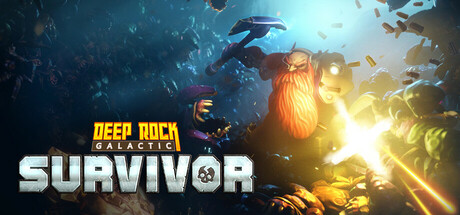
Deep Rock Galactic: Survivor just dropped its biggest update yet, and longtime players are scrambling to relearn a game they thought they had mastered. The Heavy Duty expansion adds a brand-new class that ditches the franchise’s familiar foot-soldier rhythm in favor of a literal vehicle — a dwarf in a car — alongside a fresh mode and a new biome. For the auto-roguelike scene, this is the kind of swing that resets the meta and forces returning veterans to start thinking like rookies again.
What Heavy Duty Actually Changes
The Heavy Duty expansion is more than a cosmetic refresh. It introduces a new playable class built around a driveable vehicle, which fundamentally changes how players approach positioning, kiting, and crowd control inside the Deep Rock Galactic: Survivor formula. Veterans with hundreds of hours logged are publicly admitting they have to retrain their muscle memory from scratch — a tell that the new class is not a sidegrade but a different way to play the game entirely. Beyond the vehicle, Heavy Duty layers in a new mode and a fresh biome, giving the existing roster of dwarves new terrain to fight through and new rules to break. Steam reception in the early hours has skewed positive, with the community treating the rework as a genuine reason to reinstall. For a Vampire Survivors-style title that has been quietly dominating its niche, this is the kind of meaningful expansion that keeps a long-tail PC hit relevant in a crowded auto-shooter market.
Why This Matters For The Auto-Shooter Boom
The auto-roguelike category — Vampire Survivors, Brotato, Halls of Torment, Death Must Die, and a long list of imitators — has matured into one of the most reliable indie business models on Steam. Cheap to develop, easy to iterate, and tuned for Twitch-friendly run times, these games have built devoted player bases that will buy expansions year after year if the studio keeps shipping. Heavy Duty is a textbook example of how to keep that flywheel turning. Funday Games and publisher Ghost Ship are not just adding content; they are forcing a re-evaluation of every existing build, every weapon synergy, and every meta strategy players have settled into. From a business perspective, that is the entire game plan for genre incumbents: never let the meta calcify, always give content creators a reason to make new videos, and convert hours-played into renewed sales tail. Competing studios watching this update should be paying close attention to how a class-driven mechanical reset compares to the usual flood of new weapons or characters.
The Bigger Picture For PC’s Long-Tail Hits
Deep Rock Galactic: Survivor is the kind of game that does not show up in keynote slides, but it represents one of the healthiest patterns in PC gaming right now. Mid-budget studios with a clear creative voice, a strong franchise to lean on, and a willingness to experiment with formats are quietly outperforming bloated AAA releases on engagement-per-dollar metrics. The original Deep Rock Galactic spent years compounding into a cult favorite, and the Survivor spinoff has now carved out its own audience by translating the same dwarven charm into a different genre. Heavy Duty signals confidence — the team is not just maintaining the title, they are willing to make the game functionally different to keep it interesting. For entrepreneurs and indie founders watching the gaming space, the lesson is simple: post-launch content cadence and willingness to disrupt your own formula are now table stakes for any live PC product trying to survive past its launch month.
Heavy Duty is the rare expansion that makes a game feel new again, and it cements Deep Rock Galactic: Survivor’s place at the top of the auto-shooter food chain. Expect player counts to spike, expect the build-craft community to spend the next few weeks figuring out what is broken, and expect competitors to take notes. The dwarf in a car is goofy on the surface — but mechanically, it might be the most consequential change the genre has seen this year.
Related on BizzNerd
- Starship Troopers: Ultimate Bug War Review
- Road to Vostok Review: A Solo Dev Survival Hit Worth Watching
- Path of Exile 2 Redefines the Action RPG Loot Hunt