
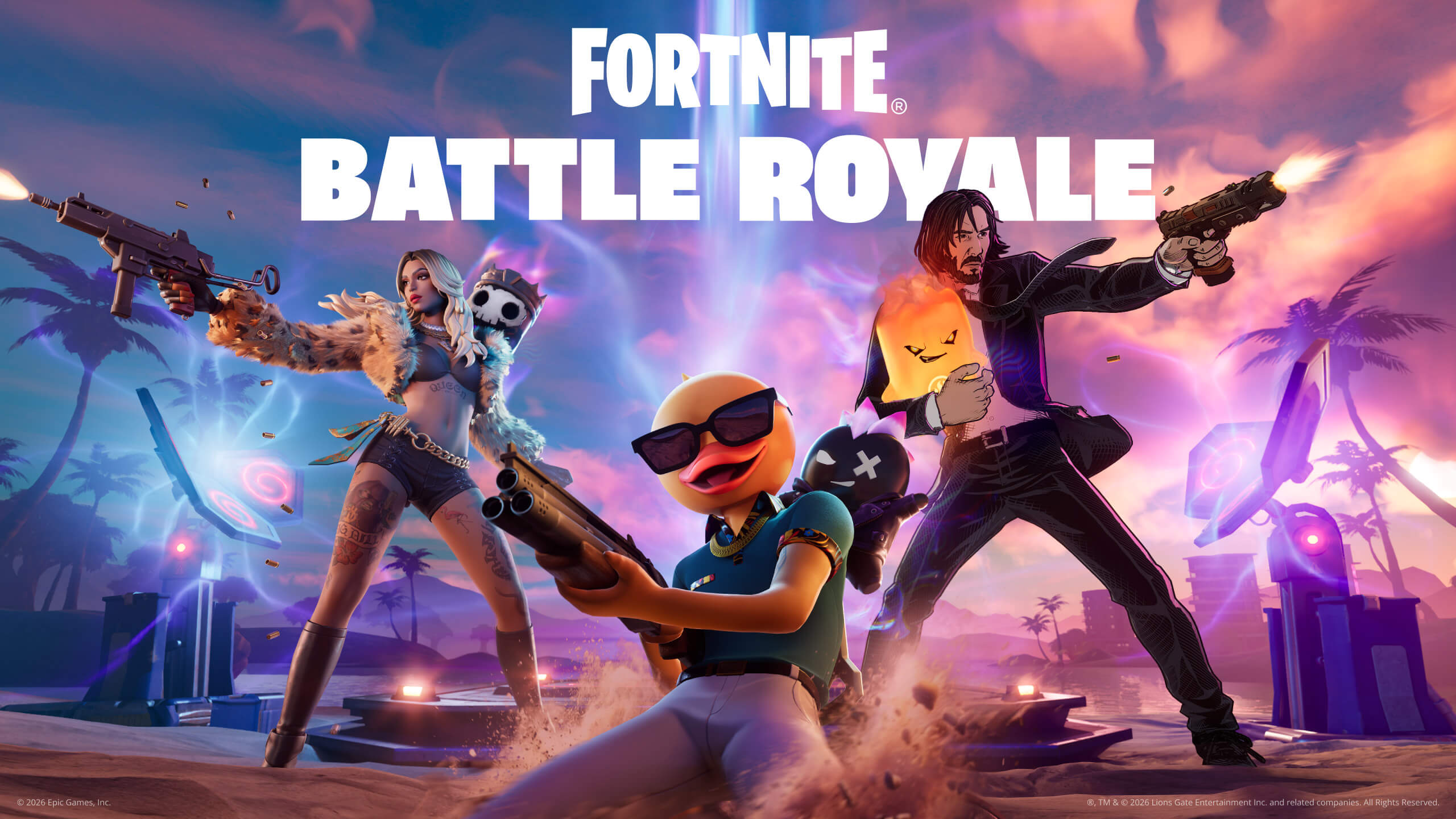
Epic Games rolled out Fortnite’s first batch of officially partnered Star Wars titles built in Unreal Editor for Fortnite, and the verdict is not flattering. Hands-on impressions across the new modes describe shallow gameplay loops, derivative shooter mechanics, and a noticeable gap between the marketing pitch and what UEFN can actually deliver right now. For a launch designed to prove that creator-built Fortnite worlds can carry blockbuster IP, this rollout looks more like a stress test than a showcase.
What’s Actually Live, And Why It Disappoints
The new Star Wars partnered modes drop into Fortnite as standalone playable experiences, ranging from squad-based shooter takes to lightsaber-flavored survival rounds. Players going hands-on report that the modes feel competent in places but rarely rise above the bar set by community-built UEFN islands. The combat lacks the snap of Fortnite’s main battle royale, the AI is rough around the edges, and the level design feels more like a tech demo than a polished commercial product. For a partnership leaning on one of entertainment’s most valuable licenses, the production polish does not come close to what Star Wars fans expect from Respawn, EA Motive, or even mid-budget licensed games of the past decade. The takeaway from playtime is consistent: there is potential here, but the launch lineup is not yet making the case that UEFN can deliver Star Wars at AAA quality.
The UEFN Strategy Has A Credibility Problem
Epic Games has spent years pitching Unreal Editor for Fortnite as the future of game development — a creator-driven platform where studios and individual developers alike can ship paid experiences inside Fortnite’s massive existing player base. The economic case is real: bypass storefront cuts, ride engagement instead of building it, and tap into a built-in payment system. But the platform’s credibility depends on lighthouse partners landing well. A Star Wars launch that underwhelms makes the next pitch deck harder. Major IP holders and publishers evaluating UEFN as a distribution play will see this rollout and ask whether the runtime can actually carry their brand. Smaller creators may benefit from a permissive economic model, but tentpole partners need showcase-quality infrastructure, and right now the gap between Epic’s promise and the player experience is wider than the company would like.
What This Means For Creator-Platform Economics
The bigger story is what this says about creator-platform economics in 2026. Roblox has built a multi-billion-dollar developer ecosystem on the back of accessible tooling and aggressive payouts. Fortnite is trying to push into the same territory with stronger production quality, stronger IP partnerships, and a more mature audience. The Star Wars partnered modes are a test run for whether premium IP can coexist with creator-economy economics. If Epic can iterate quickly — better content discovery, stronger production support, polished tools for licensed brands — the strategy still works. If the early showcases keep landing flat, established publishers will hesitate to commit IP, and the creator economy in Fortnite stays stuck at the indie tier. That is the inflection point this launch is sitting on.
The Star Wars rollout is not the end of UEFN, but it is a public reminder that platform economics only work when the platform can actually deliver. Epic has the resources to course-correct, and the next round of partner content will tell the real story. For now, fans hoping for a Star Wars showcase that rivals proper licensed games will need to keep waiting.
Related on BizzNerd
- Ahsoka — Disney Star Wars Show That’s Actually Good?
- 007 First Light Review Roundup — IO Interactive Saves James Bond
- Heavy Duty Drops a Dwarf-in-a-Car Into Deep Rock Galactic: Survivor