
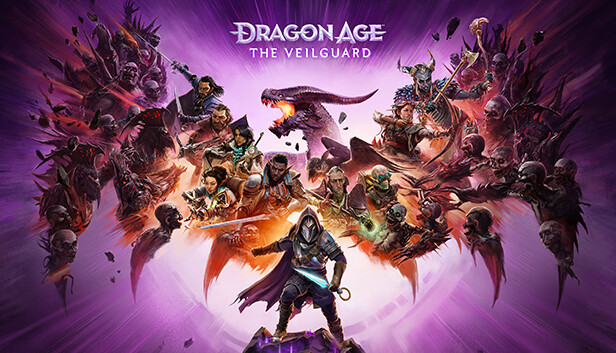
Game developers rarely critique their own shipped work in public, which is exactly why Mark Darrah’s latest retrospective is worth paying attention to. The former executive producer on the Dragon Age series has been openly walking through what he would change about each entry, and he isn’t shy about the verdict — describing parts of the games as “kind of filler.” For anyone who builds products for a living, it is a masterclass in the difference between what a team ships and what it wishes it had shipped.
A Rare Look Behind BioWare’s Curtain
Darrah spent years steering Dragon Age from the top, which makes his candor unusual. Most studio leaders defend past decisions long after launch; he is doing the opposite, treating each game as a case study with obvious wins and equally obvious compromises. That willingness to name the weak spots — pacing that sags, content added to pad runtime, systems that never quite landed — is refreshing in an industry that usually speaks in marketing gloss.
The “filler” framing is the headline, but the more interesting thread is why filler happens at all. Deadlines, shifting scope, and the pressure to hit a certain playtime all push teams toward padding, and Darrah’s reflections put a human face on those trade-offs.
Every Dragon Age Carried a Compromise
Across the series, the pattern Darrah keeps circling back to is ambition running into reality. The early games set a high bar for reactive storytelling and companion writing, then later entries chased scale — bigger maps, more side content, longer runtimes — sometimes at the cost of focus. Fans have spent years debating which chapter got the balance right, and hearing one of the people responsible admit that some of that content was there to fill space rather than move the story lends the arguments real weight.
It is a tension every long-running role-playing series knows well. The same questions of scope and payoff shaped how players still argue over how BioWare’s other flagship saga wrapped up, and they explain why the studio’s best work is still measured against the emotional highs of its tightest, most disciplined releases.
Why Developer Postmortems Matter to the Industry
Darrah has quietly become one of the most valuable voices in games precisely because he explains the “why” behind decisions most studios keep private. That kind of transparency is a growing business in itself — veteran developers turning hard-won production lessons into content, consulting, and community trust. For studios, the takeaway is blunt: the padding players notice is rarely the part anyone was proud of, and cutting it is usually the braver call.
It also reframes how fans should read their favorite RPGs. The reverence around series like the genre’s most celebrated sci-fi epics tends to airbrush out the compromises that shipped alongside the brilliance. Darrah’s honesty is a useful corrective.
Whatever comes next for Dragon Age, this kind of clear-eyed retrospective is the healthiest thing a creator can offer. Naming the filler is the first step to cutting it — and to making the next game the one nobody has to apologize for.