
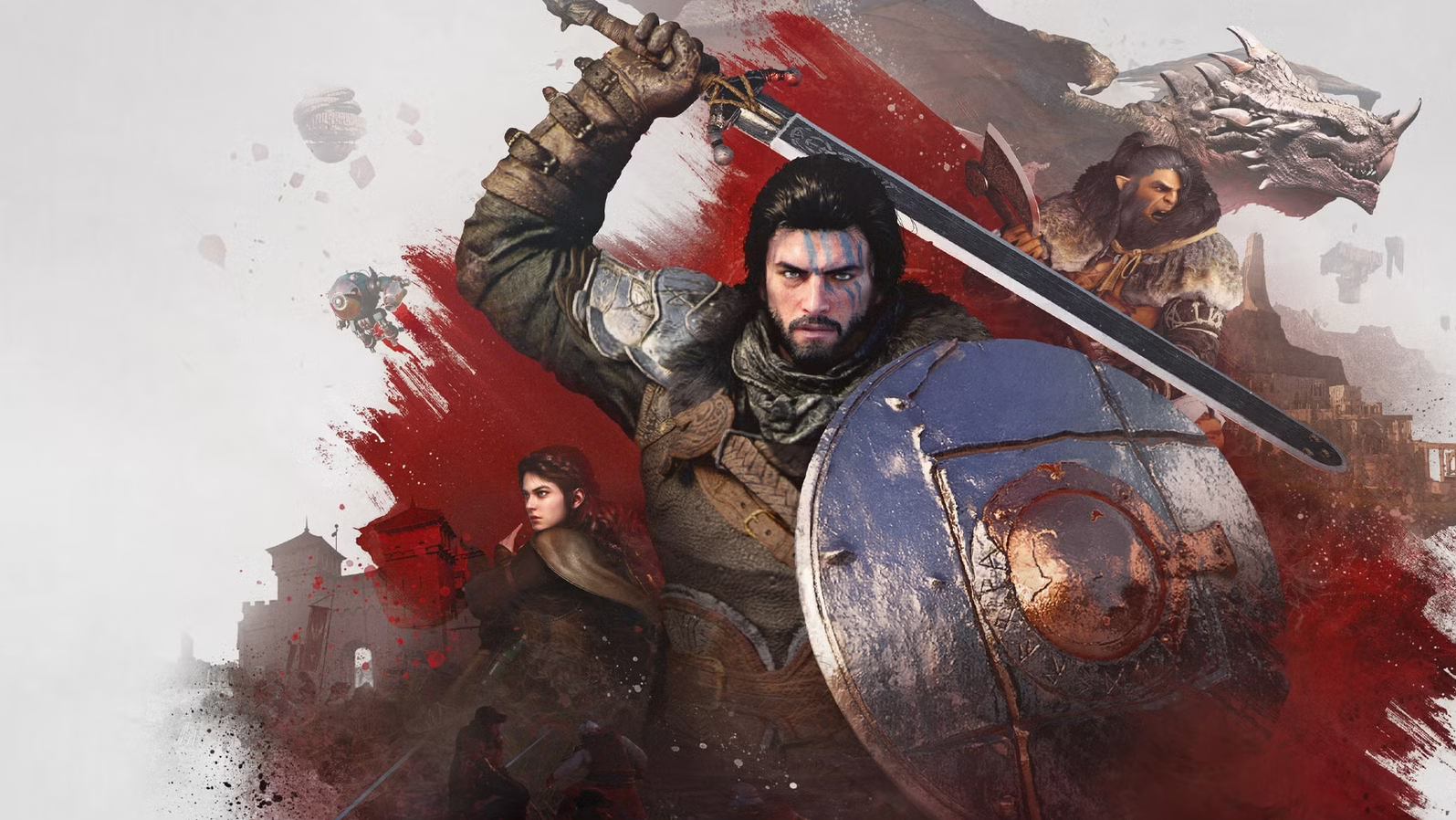
Crimson Desert launched on March 19 to 239,000 simultaneous Steam players — and immediately divided the internet. PC Gamer gave it an 80%, calling it one of the most interesting games in years. Meanwhile, Steam users piled on with Mixed reviews over its clunky controls and cryptic systems. The truth? Both camps are right.
What Happened: An Open-World RPG That Does Everything
Pearl Abyss, the South Korean studio behind Black Desert Online, has been building Crimson Desert for years — and it shows. The game launched on PC on March 19, 2026, at $70, and within 24 hours had passed a major sales milestone. It is not a single game so much as five or six games stapled together: action combat, deep exploration, base management, story-driven quests, environmental puzzles, and an almost absurd number of mechanical systems that each require their own learning curve.
PC Gamer’s reviewer described it as “the Yes, and of videogames” — every idea that could have been included, was. A pet system lets players kit out their animals in combat armor. There are monster contracts, political intrigue, branching quest lines, and a world that rewards curiosity at almost every turn. The sheer density of what Pearl Abyss has built is genuinely impressive.
But that density comes at a cost. Players on Steam in the first 24 hours largely pushed back on the controls, which are described by even sympathetic reviewers as bafflingly convoluted. Pearl Abyss responded by saying the controls are “worth the learning curve” and “come naturally after you learn it — like riding a bike.”
Industry Impact: The Premium AAA Gamble in 2026
Crimson Desert’s launch tells a story about where premium PC gaming stands right now. The game launched the same month as Marathon (Bungie’s $40 extraction shooter) and Slay the Spire 2 (an indie deckbuilder at $25), and all three were fighting for the same wallets at launch week.
Crimson Desert’s $70 price tag is notable: Pearl Abyss is betting that Western PC players will pay full premium price for an Eastern studio’s single-player-focused open world — a proposition that has historically been hit-or-miss. The game passed a 24-hour sales milestone, so it cleared a commercial baseline. But with Steam sitting at Mixed reviews, the word-of-mouth trajectory is uncertain.
The real industry question Crimson Desert raises is whether “complexity as a feature” can still sell. FromSoftware built an empire on demanding, obtuse mechanics. Pearl Abyss is attempting something similar — but where FromSoftware’s difficulty is intentionally punishing as part of the design philosophy, Crimson Desert’s obtuseness feels more like an incomplete polish pass. That distinction matters enormously to reviewers and players alike.
The Bigger Picture: Pearl Abyss Swings Big
For entrepreneurs and business-minded observers, Crimson Desert is a fascinating case study in the risks and rewards of creative ambition. Pearl Abyss poured years of development time into this title, resisting the industry’s increasingly safe tendency toward sequels and remakes. They built something genuinely original — a world with its own logic, lore, and mechanical vocabulary.
The 80% from PC Gamer matters because it signals that the ambition landed, at least critically. The game is not broken or cynical; it is genuinely trying to do something new. The question is whether enough players will invest the hours required to let Crimson Desert’s systems click into place.
For PC gaming as a medium, Crimson Desert’s launch is a reminder that ambition alone does not guarantee a clean reception. The most interesting games are rarely the most comfortable ones. Whether players ultimately embrace or abandon Crimson Desert in the months ahead, Pearl Abyss has made clear they are willing to swing big — and in an era of remasters and live-service franchises, that counts for something.
Conclusion
Crimson Desert earns its 80% the hard way — through sheer scope and creative ambition rather than polished accessibility. If you’re willing to fight through the learning curve, there’s a genuinely fascinating open world waiting on the other side. For the rest of the industry, Pearl Abyss has just fired a bold signal: they’re here to play on the world stage.