
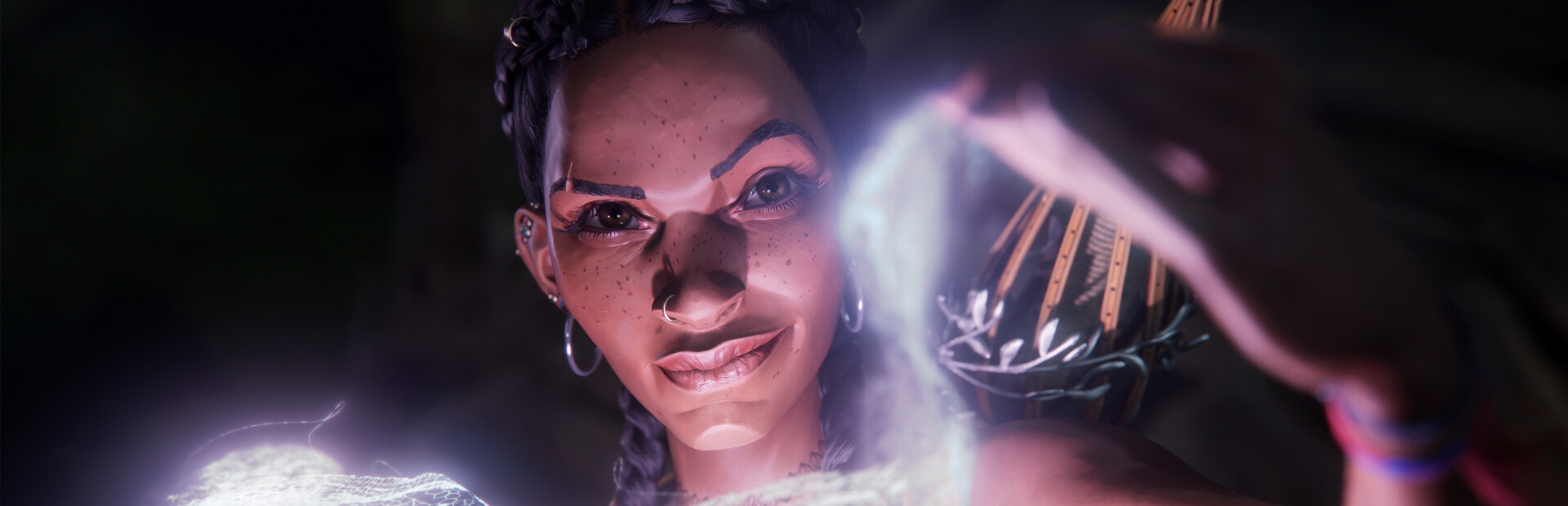
Compulsion Games just finished buying itself out of Microsoft’s Xbox division, and the deal became legally binding on August 11. That means every future dollar spent on South of Midnight, We Happy Few, or Contrast now flows to the studio that made them, not to Microsoft’s balance sheet. For anyone who runs a company, that single fact is the real story here: a team of employees negotiated their way out of a corporate parent and walked away owning the product they built.
This is not a routine studio shutdown or acquisition headline. It is a management buyout, a deal structure more common in private equity than in game development, and it offers a rare look at how founders and operators can reclaim control after being absorbed by a larger company.
How Compulsion Games Bought Its Way Out of Xbox
Compulsion Games was folded into Xbox Game Studios back in 2018, trading independence for the resources of a platform giant. That arrangement worked until Microsoft’s ongoing restructuring across its gaming division made first-party status feel less like security and more like risk.
CEO Guillaume Provost led the negotiation, and the studio’s leadership team executed a management buyout: the people running the company purchased it back from its corporate owner. Financial terms were not disclosed, which is typical for these deals, but the outcome was clear. Microsoft transferred the intellectual property and publishing rights back to Compulsion, and the studio’s management now controls the company outright.
Provost said the team was united on the decision, describing their preference to stay together rather than be broken apart during Microsoft’s cuts. That kind of internal alignment matters in any buyout. Deals like this fall apart when key people leave before the ink dries.
What South of Midnight, We Happy Few, and Contrast Are Worth Now
The buyout hands Compulsion full ownership of its entire catalog, including its 2025 release South of Midnight, the dystopian hit We Happy Few, and its 2013 debut Contrast. That is a meaningful asset base for a newly independent studio to build a business around.
Owning your IP outright changes the math on everything: licensing deals, sequels, merchandising, and future publishing negotiations no longer require a platform holder’s approval or a revenue split. Some Compulsion developers are still finishing an unannounced project that started under Microsoft, and the studio is now in talks with new partners for contract work to shore up its finances while it transitions to full independence.
That combination, owned IP plus outside contract revenue, is a classic bridge strategy for any founder exiting a corporate structure. You keep the crown jewels while lining up cash flow that doesn’t depend on a single publisher.
Why This Buyout Is a Playbook for Founders Watching Big Tech Restructure
Compulsion’s move lands squarely inside a wave of restructuring at Microsoft’s gaming division, where studio closures and layoffs have made first-party status a liability rather than a perk. It is also part of a wider reshuffling of gaming-industry ownership, from platform exclusivity fights to blockbuster deals like the $55 billion Electronic Arts takeover. Founders and operators who sold into a bigger platform, whether in gaming, software, or any acquired-startup scenario, should read this as a signal.
Being owned by a giant offers distribution, funding, and cover. It also means your product’s economics, and sometimes your team’s future, sit inside someone else’s balance sheet decisions. When that parent company shifts strategy, the smartest exit for an operating team is sometimes to buy itself back out, provided the IP and the relationships are strong enough to negotiate from.
Expect more of this. As large platform holders keep trimming first-party studios, more teams with strong IP and loyal player bases will look at management buyouts as a live option rather than a last resort.
- Studio ownership now sits entirely with Compulsion’s leadership team, not Microsoft.
- Revenue from South of Midnight, We Happy Few, and Contrast goes directly to Compulsion going forward.
- The studio is pursuing contract work and new partnerships to fund its next projects independently.
For entrepreneurs, the takeaway is simple: platform ownership can accelerate growth, but it can also become a ceiling. Compulsion Games just proved that with the right leverage, and a team willing to stick together, you can buy your independence back.