
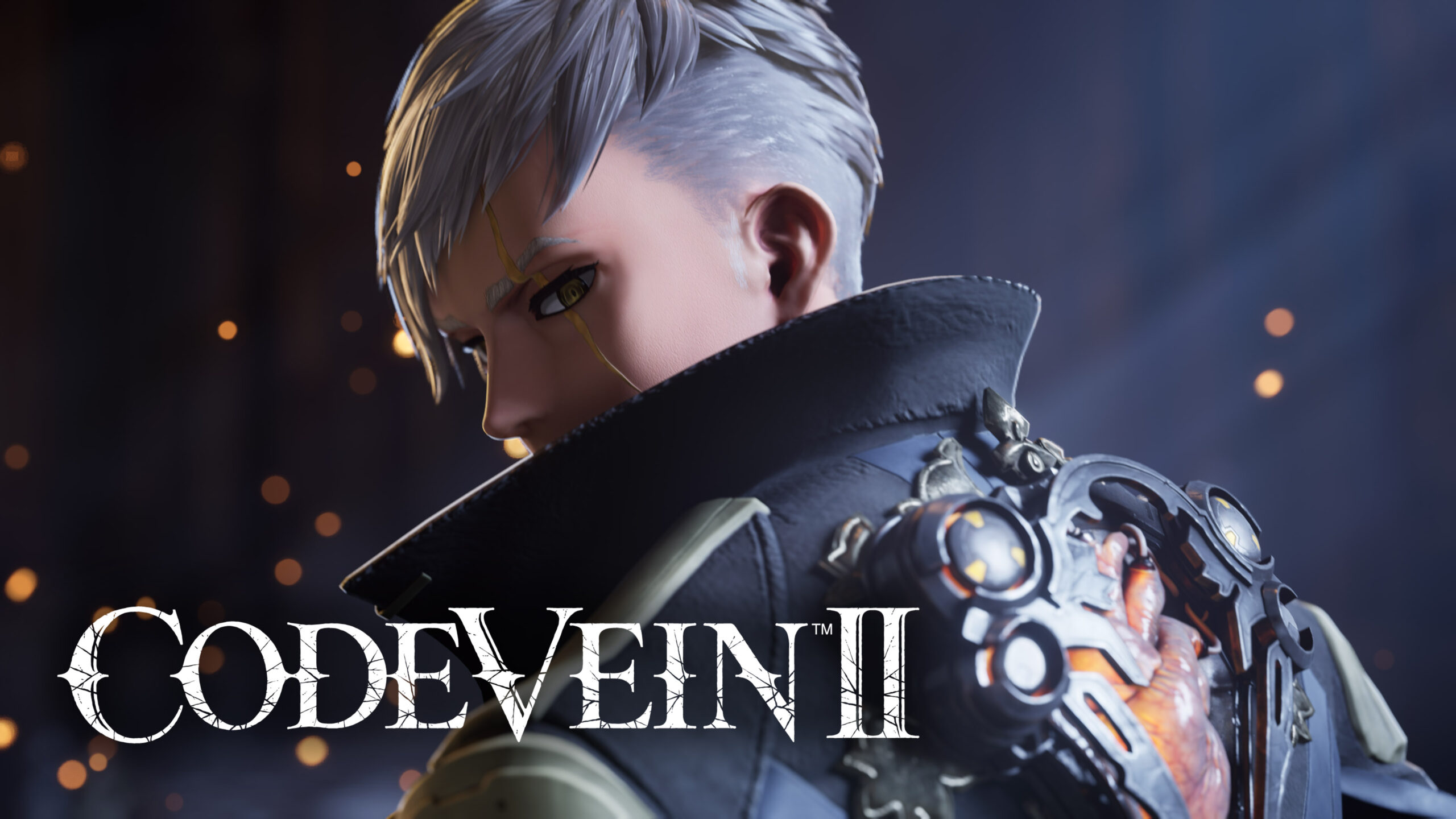
Code Vein 2 is being called ‘anime Elden Ring’ — and that label is both the game’s biggest selling point and its most revealing weakness. The sequel delivers exactly what hardcore soulslike fans want from its dungeons and boss design. It just surrounds all of that with an open world that fails to justify its own existence.
Where Code Vein 2 Is Genuinely Exceptional
The dungeon design in Code Vein 2 is where the game earns its reputation. Challenging, layered environments that reward exploration. Boss fights that test reflexes and build comprehension. A combat system with enough depth to keep players engaged across dozens of hours of play. For genre fans, this is the core fantasy — and the team delivers it well.
The sequel improves on its predecessor in almost every meaningful dimension. The original Code Vein had a passionate fan base drawn to its anime vampire aesthetic and character customisation depth. Code Vein 2 preserves everything that made those players loyal while expanding the mechanical ambition of the build crafting system. The result is a soulslike with genuine identity — not just a FromSoftware imitator, but a game that has found its own voice within the genre.
For players who want a challenging, atmospheric soulslike with strong anime aesthetics and dozens of hours of content, Code Vein 2 delivers. The question is whether everything wrapped around the dungeon core holds up — and the honest answer is that it doesn’t, quite.
The Open World Problem and the Steam Review Backlash
Here’s where Code Vein 2 stumbles: its open world. Reviewers describe an environment riddled with cliffs, dead-ends, and navigational frustration that actively works against the tight, focused design of the dungeons. Traversing the open world doesn’t feel like discovery — it feels like chore management between the parts of the game that are actually fun.
The Steam review situation adds another layer of complexity. Mixed PC reviews on Steam stem primarily from performance issues on PC hardware — frame rate inconsistencies, stuttering, and optimization problems that console players on PS5 and Xbox Series X/S largely sidestep. This is a meaningful distinction: a technically troubled PC release can torpedo a game’s reputation in a way that masks its actual quality for the platform where it runs well.
A subsequent March 2026 update addressed difficulty balance, making the game significantly more accessible — which helped bring in players who found the original difficulty curve prohibitive. The lesson here for developers: first impressions on Steam carry enormous weight, and performance issues at launch can define a game’s public identity for months.
What Code Vein 2’s Story Tells Us About Soulslike Saturation
The soulslike genre has expanded dramatically since Elden Ring raised the ceiling for what the format could achieve commercially. Every major publisher now wants a piece of the action — and Code Vein 2 is operating in an increasingly crowded field.
The games that succeed in this space tend to do so by establishing a clear identity within the genre. Lies of P found its niche with Pinocchio-inspired gothic horror. Stellar Blade earned attention with its distinctive visual language. Code Vein 2’s anime vampire world is genuinely distinctive — but distinctive aesthetics alone aren’t enough if the surrounding structure doesn’t match the competition.
For studio executives and investors, Code Vein 2 is a useful marker for where the bar now sits. The dungeon and boss design is competitive at the top level of the genre. The open world represents a significant opportunity cost — resources spent building a space that diminishes rather than elevates the experience. Future entries in the franchise would benefit from a more focused scope that leans into what Code Vein genuinely does best.
Code Vein 2 is a game worth playing for soulslike fans — particularly on console, where the performance issues that damaged its PC reputation are largely absent. The dungeons and boss fights are excellent. The open world is not. If Bandai Namco follows with a Code Vein 3, leaning fully into focused dungeon design over open world sprawl could produce something genuinely special.