
Ten years is a strange amount of time in gaming. Engines get replaced, studios get bought out, and entire genres reinvent themselves — yet a handful of games from 2016 still feel like they could ship today. This year marks a decade since one of the most stacked stretches in gaming history, when several genre-defining titles landed within months of each other. Some rebooted dead franchises, some invented new ones, and a couple quietly changed how indie games get made. A decade later, they’re still worth revisiting, whether you’re replaying them for nostalgia or discovering them for the first time.
The Reboot and the Rescue: DOOM and Overwatch Redefine Their Genres
DOOM shouldn’t have worked. Reviving a 1990s shooter franchise in the era of regenerating health and cover mechanics sounded like a recipe for a forgettable cash-in. Instead, id Software stripped away everything modern shooters had added and leaned into speed, aggression, and the “glory kill” system that turned every encounter into a violent rhythm game. Ten years on, its influence is everywhere — you can trace a direct line from DOOM’s combat loop to nearly every fast-paced shooter that followed it.
Overwatch arrived the same month and did something just as unlikely: it made the team-based hero shooter feel fresh again. Blizzard’s roster of distinct, personality-driven characters turned what could have been a generic class shooter into a cultural phenomenon, complete with cosplay, fan art, and an esports scene. Whatever you think of where the franchise went afterward, the original launch reshaped competitive shooter design for years.
Story-Driven Standouts: Uncharted 4 and Inside Prove Games Can Be Cinematic Without Losing the Plot
Uncharted 4: A Thief’s End closed out Nathan Drake’s story with a level of polish that still holds up against modern blockbusters. Naughty Dog treated it like a swan song, balancing spectacle with quieter, more personal moments about legacy and letting go. It remains one of the strongest arguments that big-budget action games can also have real emotional weight.
Inside took the opposite approach — no dialogue, no HUD, no explanation — and still delivered one of the most unsettling, memorable endings in gaming. Playdead’s follow-up to Limbo proved that minimalist puzzle-platformers could carry as much narrative punch as any fully voiced epic. If you want to see how far the genre has come since, it’s worth pairing a replay with something like Cave Story+, another indie that leans on mood and mechanics over exposition.
The Indie and Challenge Crowd: Stardew Valley, Dark Souls III, and Hyper Light Drifter
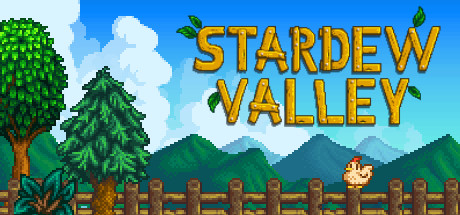
Stardew Valley is the clearest example of one person changing an entire genre. Eric Barone spent four years building it solo, and the payoff was a farming sim so deep and replayable that it essentially revived the genre for a new generation. It’s still getting free content updates a decade later, which says everything about how much care went into the foundation.
Dark Souls III gave FromSoftware’s punishing series one of its most refined entries, tightening the combat and pacing while still delivering the crushing difficulty fans expected. It set the stage for the studio’s later mainstream breakthroughs. Meanwhile, Hyper Light Drifter proved a tiny team could build a Souls-inspired action game with a completely original visual identity — its pixel-art world and wordless storytelling still influence indie developers chasing that same moody, atmospheric feel.
Looking back at 2016, it’s clear the year wasn’t a fluke — it was a snapshot of an industry hitting its stride across every budget tier, from AAA blockbusters to solo passion projects. These games hold up not because of nostalgia alone, but because the design decisions underneath them were genuinely sound. Ten years later, they’re still worth your time, and honestly, still worth studying if you want to understand where modern gaming came from.